
You don't simply visit Athens, you climb it. At every junction the rock of the Acropolis reappears above the rooftops, a reminder that the city has lived five thousand years at the foot of the same sanctuary. Below, the districts stack up like strata: the Cycladic lanes of Anafiotika, the marble of Plaka, the clamouring halls of Varvakios market, the neoclassical avenues of the centre. The light is dry and sharp, carving out the columns and turning every late afternoon into a performance. You walk a lot, you eat remarkably well for very little, and the metro links the major sites in minutes. Add a turquoise sea less than an hour away and wooded hills in town: Athens doubles as a huge family playground, provided you get up early.
✈️ Flights right now to Athens on Yoosky
Complete guide
In this article
- The Acropolis and the Parthenon: the sanctuary that towers over the whole city
- The Acropolis Museum: understanding the marbles before you admire them
- Plaka and Anafiotika: wandering the whitewashed lanes below the rock
- The Ancient Agora and the Temple of Hephaestus: the political heart of the city
- The National Archaeological Museum: five millennia gathered under one roof
- Lycabettus Hill: the panorama 277 metres above the rooftops
- The Panathenaic Stadium: running on the marble of the first modern Games
- The Temple of Olympian Zeus and Hadrian's Arch: Roman excess on display
- Varvakios Central Market: the liveliest lesson in Greek cooking
- Philopappos Hill: the finest view of the Parthenon, and it's free
- Cape Sounion and the Temple of Poseidon: the trip to the end of Attica
- The National Garden and the changing of the guard at Syntagma: the family break
1/12The Acropolis and the Parthenon: the sanctuary that towers over the whole city
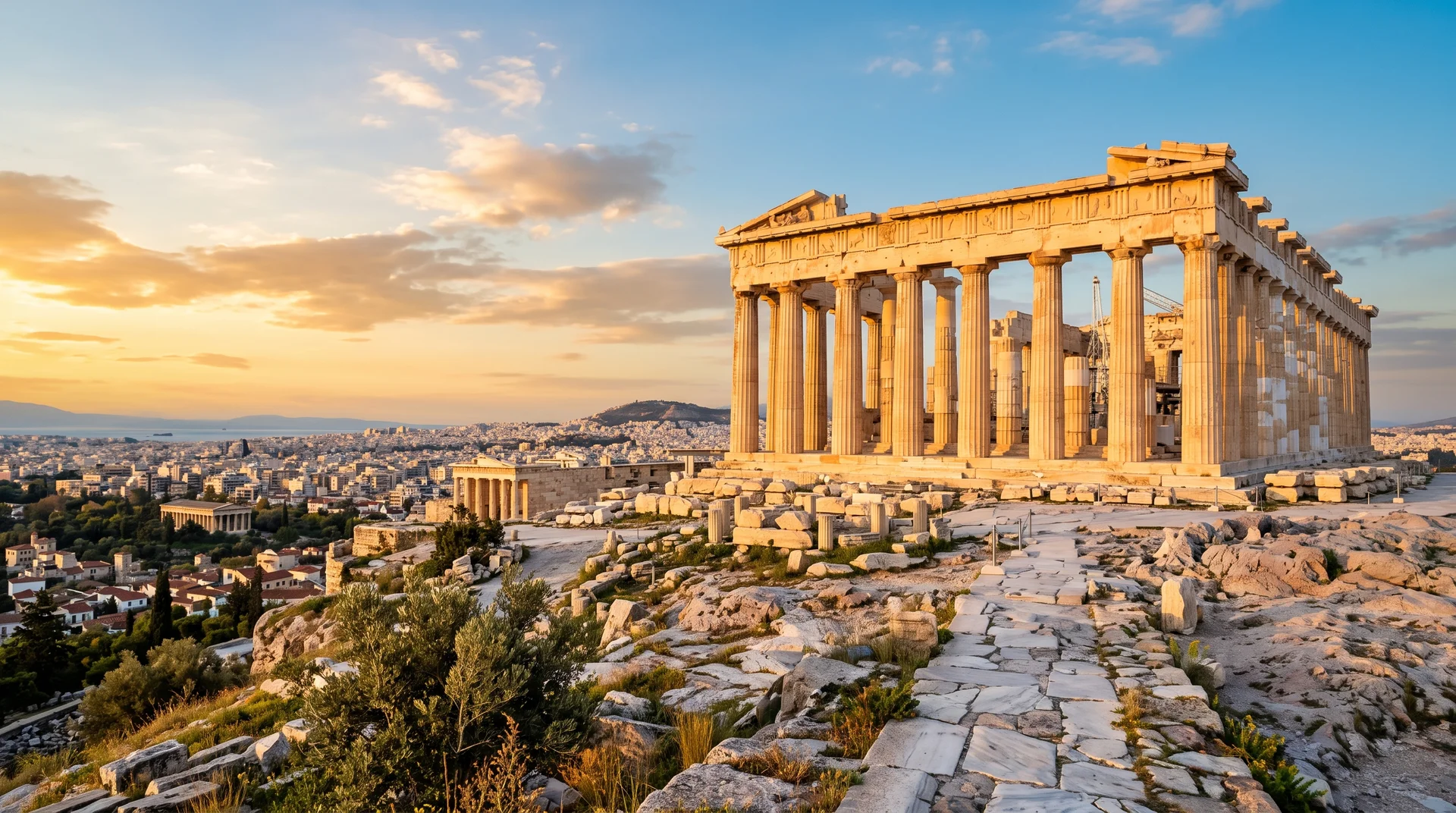
This is the image that sums up all of Greece. On its limestone plateau the Parthenon has stood since 438 BC, its Doric columns subtly swollen in the middle, a calculated optical illusion that makes them look perfectly straight. Around it, the Erechtheion with its Caryatids, the small temple of Athena Nike and the Propylaea complete the ensemble. Entry costs €20 in high season (April to October) and €10 in winter; the €30 combined ticket, valid five days, covers seven ancient sites and pays for itself on the second visit. The site opens at 8am and closes around 8pm in summer. Come at opening time or after 6pm: at midday the white rock throws back crushing heat and tour groups clog the Propylaea. Main entrance on the west side, Akropoli metro (line 2). Wear closed shoes, bring a hat and water, the polished marble is slippery.
2/12The Acropolis Museum: understanding the marbles before you admire them
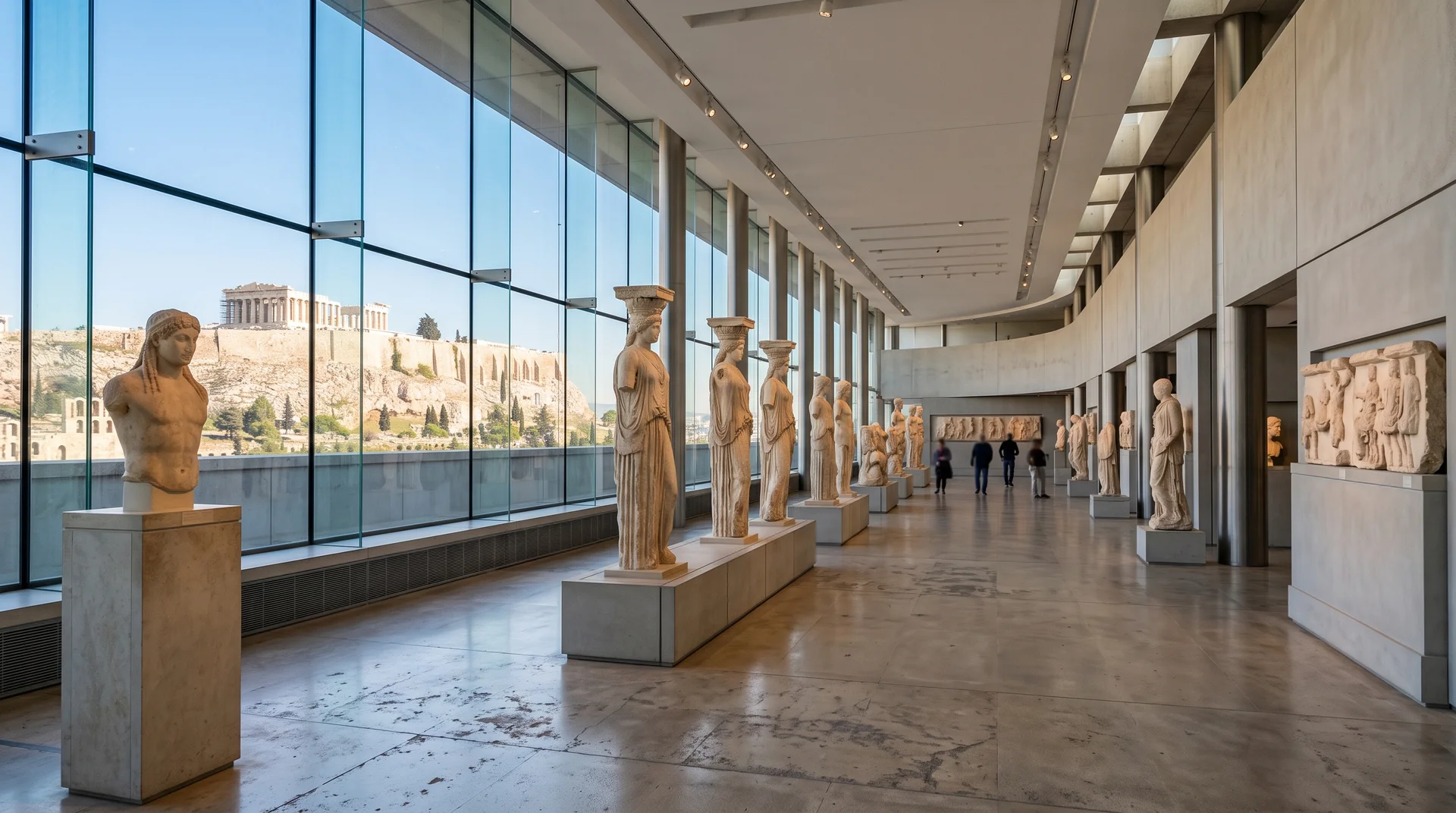
Standing two minutes from the site, this glass building by Bernard Tschumi is the best possible introduction to the sacred rock. From the entrance, a transparent floor hovers over an ancient neighbourhood still being excavated. On the first level, archaic korai with their enigmatic smiles; higher up, the Caryatid gallery, where five of the six originals finally stand sheltered. The highlight is the third floor: the Parthenon frieze is laid out at the temple's exact scale and orientation, with white plaster casts marking the fragments still in London. Tickets cost €15 in summer, €10 in low season. Open 9am to 8pm, with an earlier close on Mondays. Book online to skip the queue. The second-floor café has a north-facing terrace looking straight at the Parthenon: the best-placed break in the city.
3/12Plaka and Anafiotika: wandering the whitewashed lanes below the rock
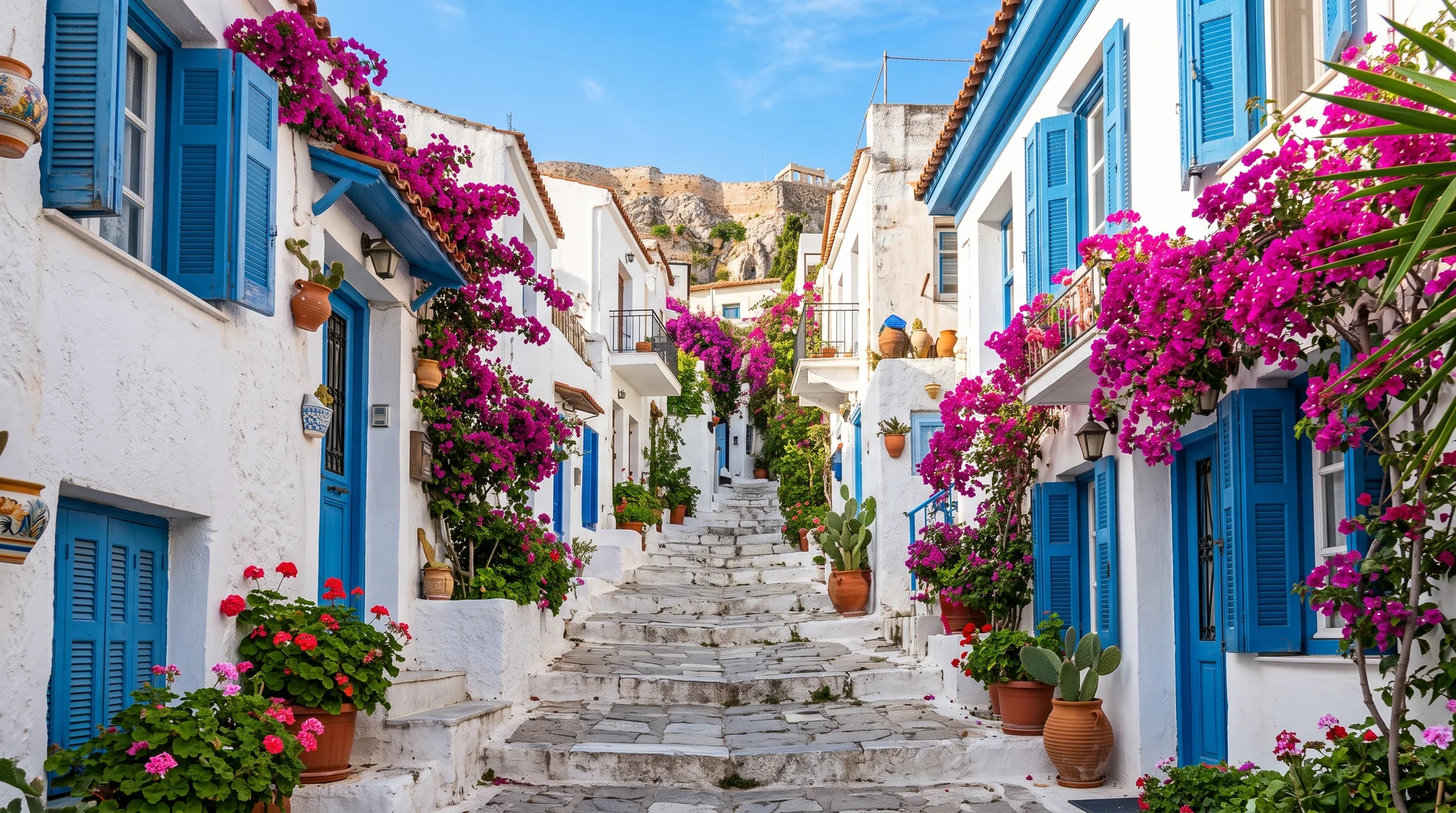
North-east of the Acropolis, Plaka unfolds a maze of cobbled streets, ochre neoclassical houses and bougainvillea spilling over balconies. Climb a little further and you step into Anafiotika, a village inside the city: around 1860, stonemasons from the island of Anafi, brought in to build the royal palace, rebuilt their Cycladic homes here. The result is lime-washed walls, blue shutters, staircases thirty centimetres wide and cats dozing in the sun. You wander freely and for nothing, keeping the quiet of a lived-in neighbourhood. The easiest access is from Prytaniou or Stratonos street, up a flight of steps; allow one to two hours of strolling. Come between 8am and 10am, when the light rakes the white façades and the lanes are still empty. Flat shoes are essential, the cobbles are smooth and steep.
4/12The Ancient Agora and the Temple of Hephaestus: the political heart of the city
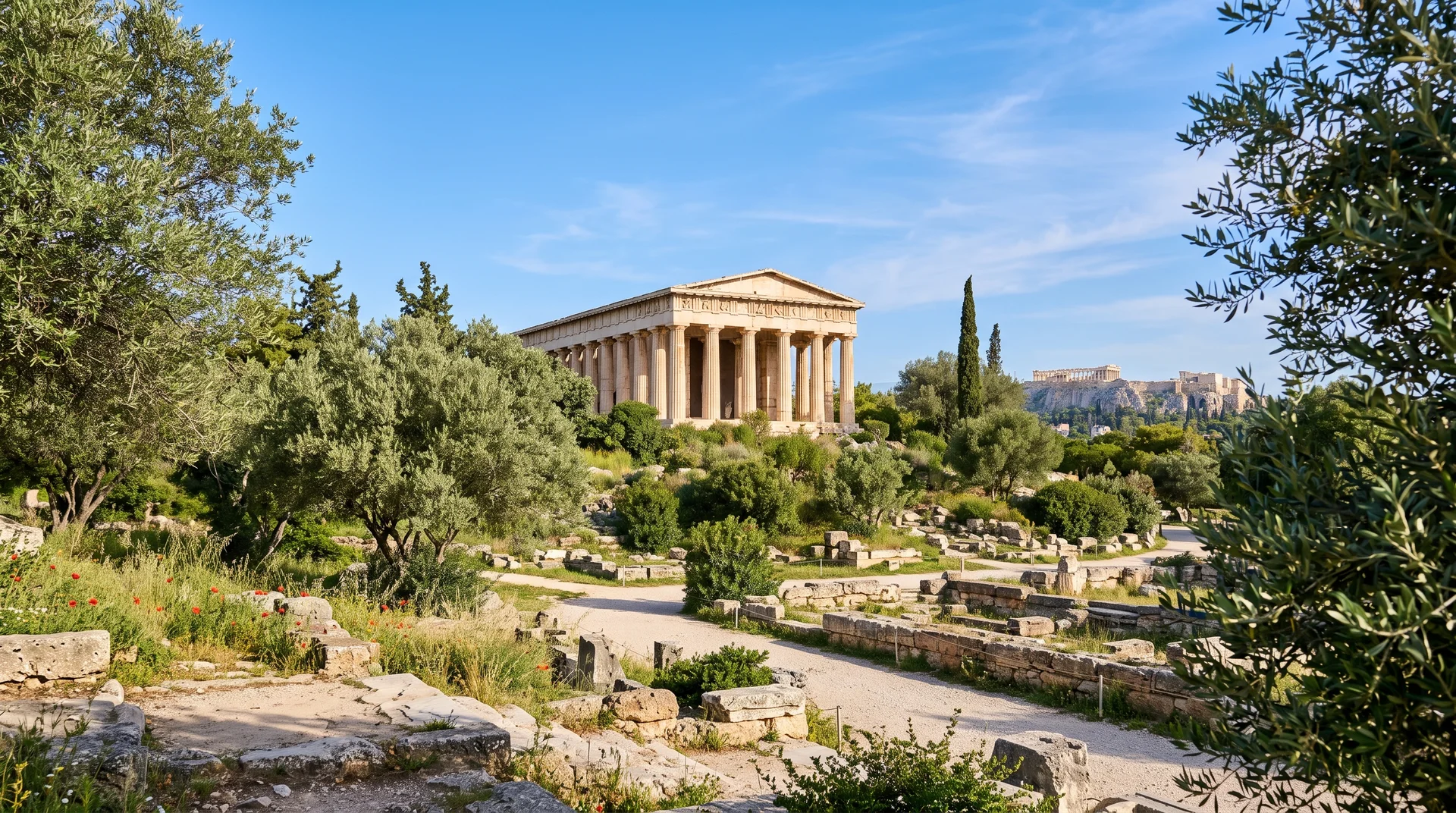
If the Acropolis was the sanctuary, the Agora was daily life: courts, shops, assemblies, and the walkways where Socrates cross-examined his fellow citizens. The site, wide and planted with olive trees, holds two marvels. The Temple of Hephaestus, built around 415 BC, is the best-preserved Doric temple in all of Greece, roof included, because it served as a church for thirteen centuries. Facing it, the Stoa of Attalos, rebuilt exactly in the 1950s, houses a bright and very readable museum: pottery, voting shards, ancient children's toys. Entry is €10 in summer, €5 in winter, and included in the combined ticket. Open 8am to 8pm in high season. Immediate access from Monastiraki metro (lines 1 and 3). Allow an hour and a half; shade is scarce, so favour the morning.
5/12The National Archaeological Museum: five millennia gathered under one roof
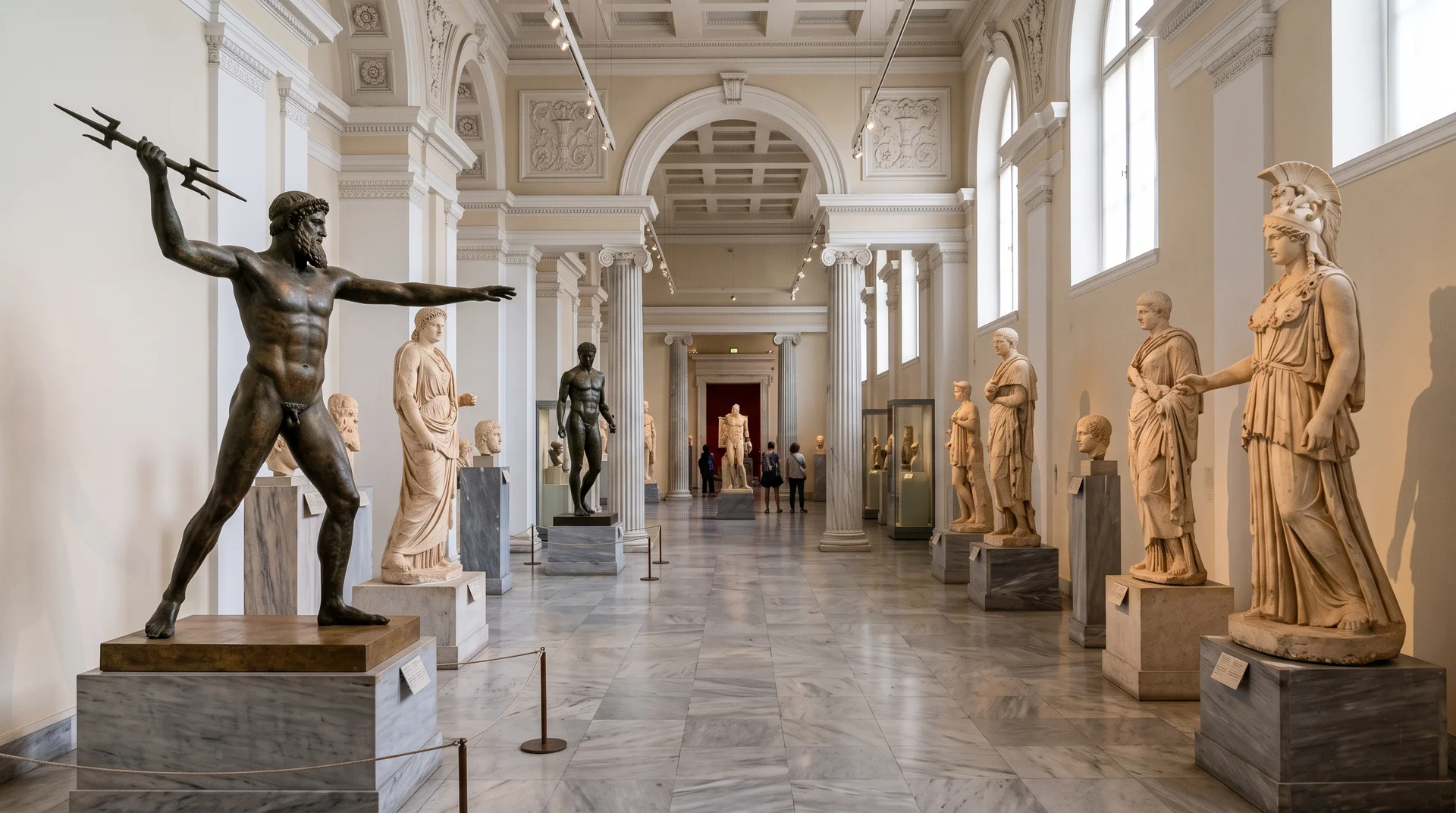
This is one of the world's great antiquities museums, and yet it stays oddly peaceful. You come for pieces that exist nowhere else: the golden so-called Mask of Agamemnon, dug up at Mycenae by Schliemann; the Artemision Bronze, Zeus or Poseidon with arm raised; the Jockey Boy, his galloping horse frozen mid-stride; and the Antikythera Mechanism, a second-century BC astronomical calculator whose complexity remains astonishing. The Santorini frescoes upstairs justify the visit on their own. Tickets are €12 in high season, €6 in winter. Open 8am to 8pm, with an early-afternoon start on Mondays. Victoria metro (line 1), then five minutes on foot. Allow two to three hours and take a map: the rooms run in chronological order, so follow them in sequence.
6/12Lycabettus Hill: the panorama 277 metres above the rooftops
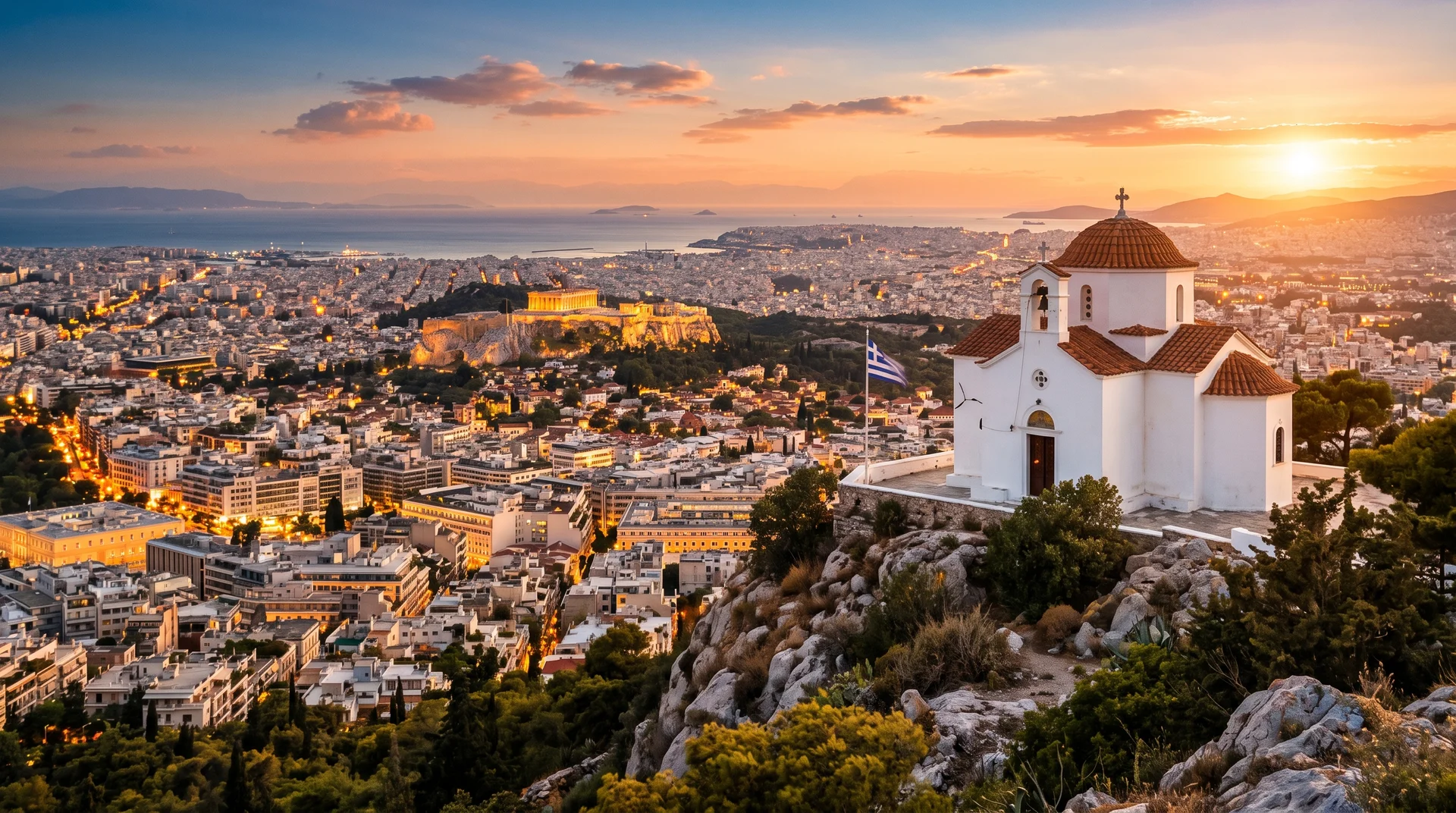
This is the highest point in central Athens, a wooded cone rising behind the Kolonaki district. From the top the city spreads out to Piraeus and the Saronic Gulf: on a clear day you can pick out the islands of Aegina and Salamis, and the Acropolis suddenly looks tiny. There are two ways up. The funicular leaves from the corner of Aristippou and Ploutarchou streets, climbs through a tunnel in three minutes and costs around ten euros return. On foot, a switchback path starts in the same neighbourhood and takes twenty-five to thirty-five minutes of steady effort, free of charge, under pine trees. At the summit stand the white chapel of Saint George and a panoramic terrace where you can have a Greek coffee. Aim for forty-five minutes before sunset, and bring a light jacket: it is almost always windy up there.
7/12The Panathenaic Stadium: running on the marble of the first modern Games
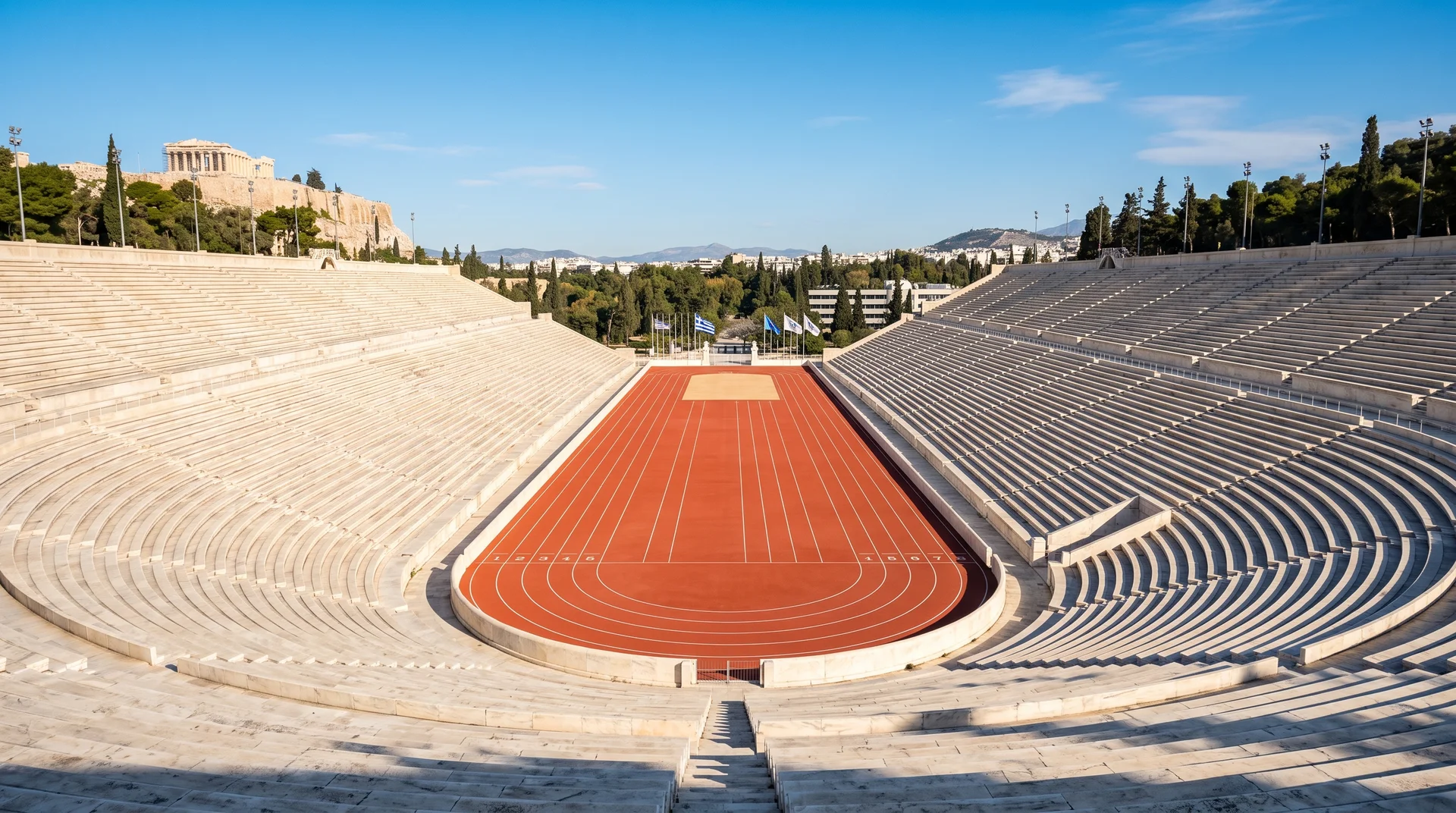
Carved entirely from the white marble of Mount Penteli, this horseshoe-shaped stadium is the only one in the world built wholly from the material. It sits on a fourth-century BC ancient stadium, restored in 1896 to host the first Olympic Games of the modern era in front of sixty thousand spectators. Today you walk onto the track, climb up to sit on the baking tiers, step onto the podium for a photo and explore the vaulted tunnel the athletes once used. A small exhibition displays the posters and torches of every Olympiad. Tickets cost €10 including an audio guide, open 8am to 7pm in summer. Syntagma metro is a ten-minute walk away through the National Garden. Allow forty-five minutes, ideally in the morning: the tiers offer no shade at all.
8/12The Temple of Olympian Zeus and Hadrian's Arch: Roman excess on display
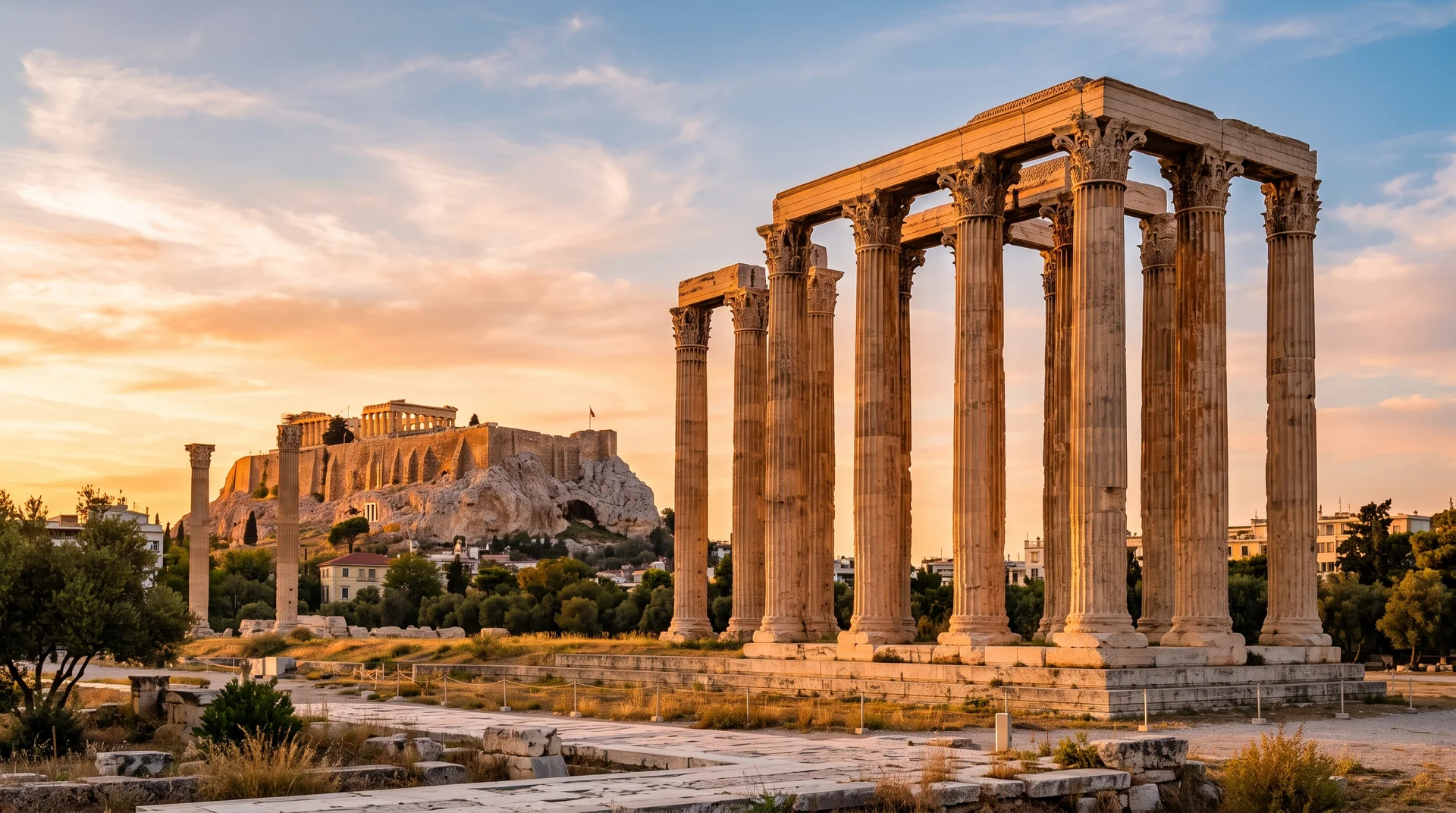
The longest building project of antiquity: begun in the sixth century BC, this colossal temple was only finished under the emperor Hadrian, nearly seven hundred years later. It once had one hundred and four Corinthian columns seventeen metres tall; fifteen still stand, and a sixteenth has lain on the ground since a storm in 1852, its drums lined up like giant coins. The scale reads best up close: you feel tiny. A hundred metres away, Hadrian's Arch marks the boundary between the old city of Theseus and the emperor's new one; you can photograph it for free from the pavement, with the Acropolis behind. Entry is €8 in summer, €4 in winter, and included in the combined ticket. Akropoli metro is two minutes away. Thirty minutes is enough; come late in the day, when the marble turns golden.
9/12Varvakios Central Market: the liveliest lesson in Greek cooking
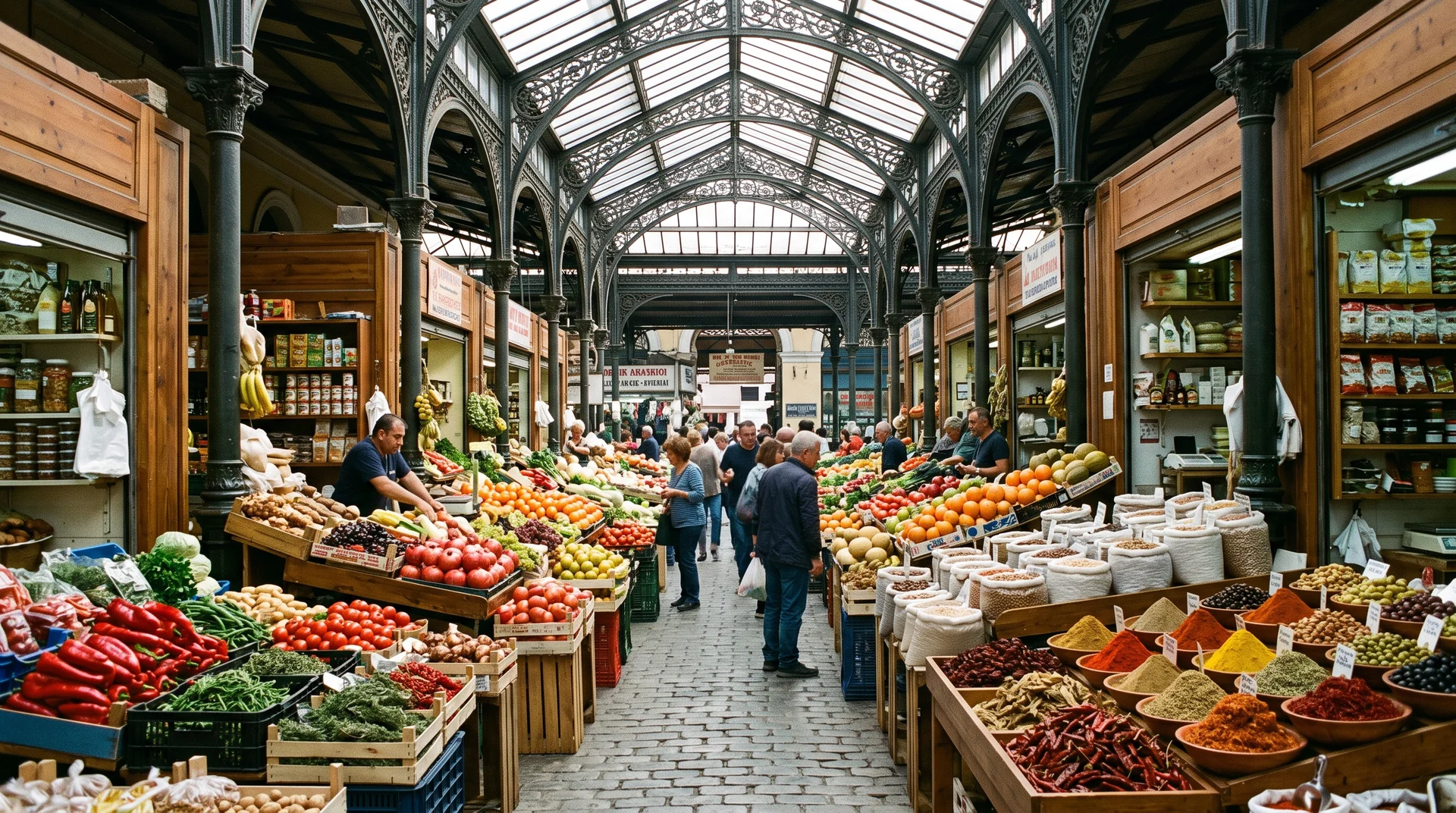
On Athinas Avenue, under a cast-iron hall from 1886, Athens stages its real daily performance. On one side, iced fish stalls where vendors shout across the aisle; on the other, butchers and their hooks; outside, pyramids of tomatoes, figs and olives. Evripidou street, right next door, is thick with the smell of cumin, oregano and cinnamon from the spice merchants. Entry is free, Monday to Saturday, roughly 7am to 3pm; everything shuts on Sunday. Come between 9am and 11am, at its busiest. All around, lunch costs a few euros: souvlaki, sesame koulouri, creamy bougatsa, warm loukoumades drenched in honey. Omonia or Monastiraki metro, five minutes on foot. Bring a bag, you will leave loaded.
10/12Philopappos Hill: the finest view of the Parthenon, and it's free
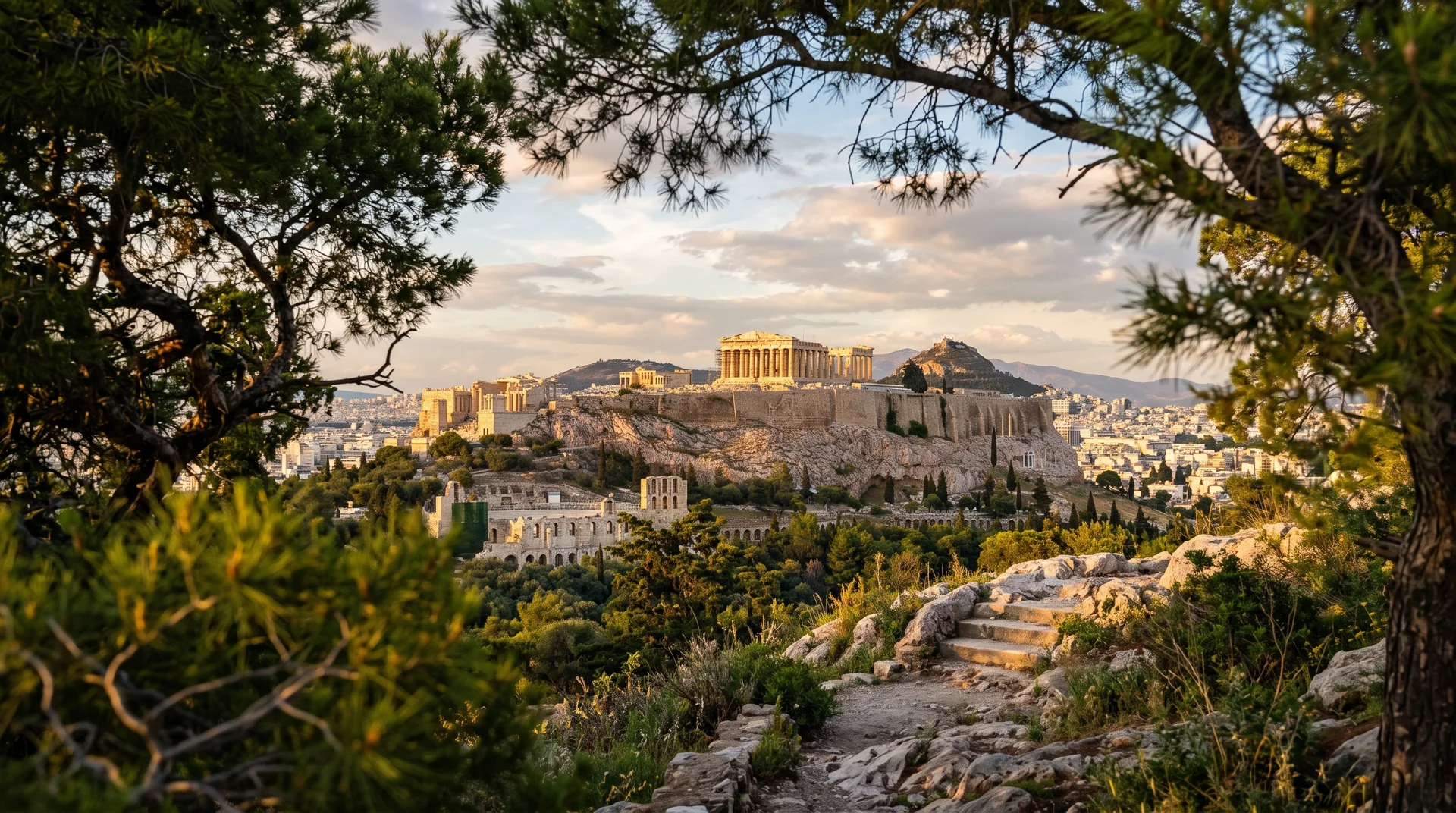
Facing the Acropolis, this pine-covered hill offers the viewpoint every photographer is after: the Parthenon in profile, perched on its cliff, with no railing and no queue. Access is from the pedestrian street Dionysiou Areopagitou, along paved walkways designed in the 1950s by the architect Dimitris Pikionis, a quiet masterpiece built from salvaged stone. Twenty minutes of gentle climbing leads to the funerary monument of Philopappos, a second-century Roman prince. On the way you pass the Hill of the Nymphs, the old observatory and the caves known as the Prison of Socrates. The site is always open and entirely free. It is ideal with children: the paths are wide, the shade is real, and a picnic is easy to improvise. Come early in the morning or at golden hour. Wear good shoes, the polished slabs are slippery after rain.
11/12Cape Sounion and the Temple of Poseidon: the trip to the end of Attica
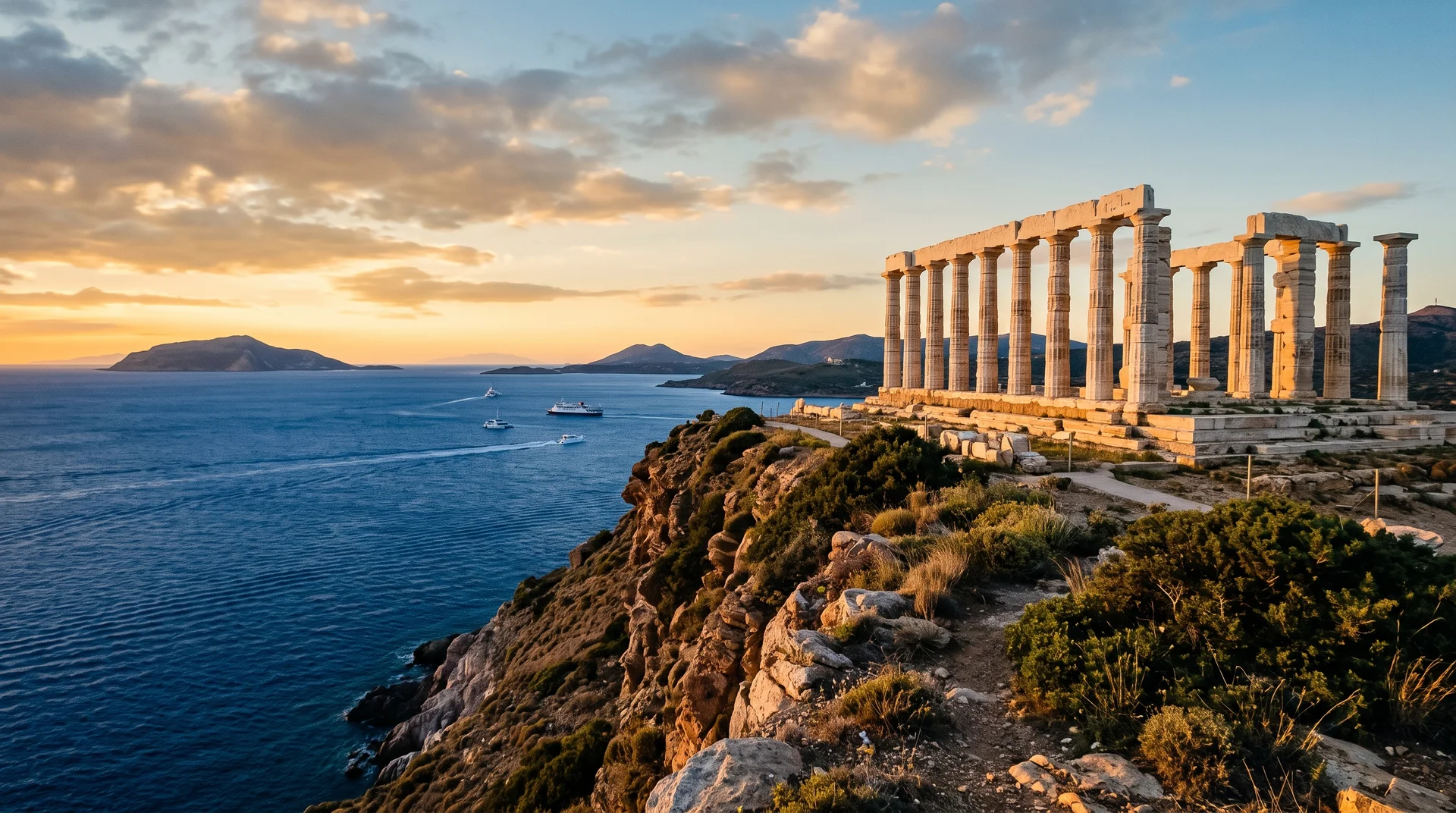
Seventy kilometres south of Athens, the road hugs the coast to a wind-battered sixty-metre cliff. At the top, the Temple of Poseidon, built around 440 BC from local marble, still raises fifteen columns facing the Aegean — on one of them Lord Byron carved his name in 1810. Ancient sailors sighted this sanctuary first on the voyage home. Entry is €10 in high season. KTEL buses leave from Aigyptou square, near Larissa station, and take roughly two hours; by car, allow an hour and fifteen minutes. Aim for late afternoon: the sunset behind the columns is among the most celebrated in the Mediterranean. Check the time of the last return bus before you settle in, and pack a swimsuit and towel for Legrena beach, five minutes away.
12/12The National Garden and the changing of the guard at Syntagma: the family break
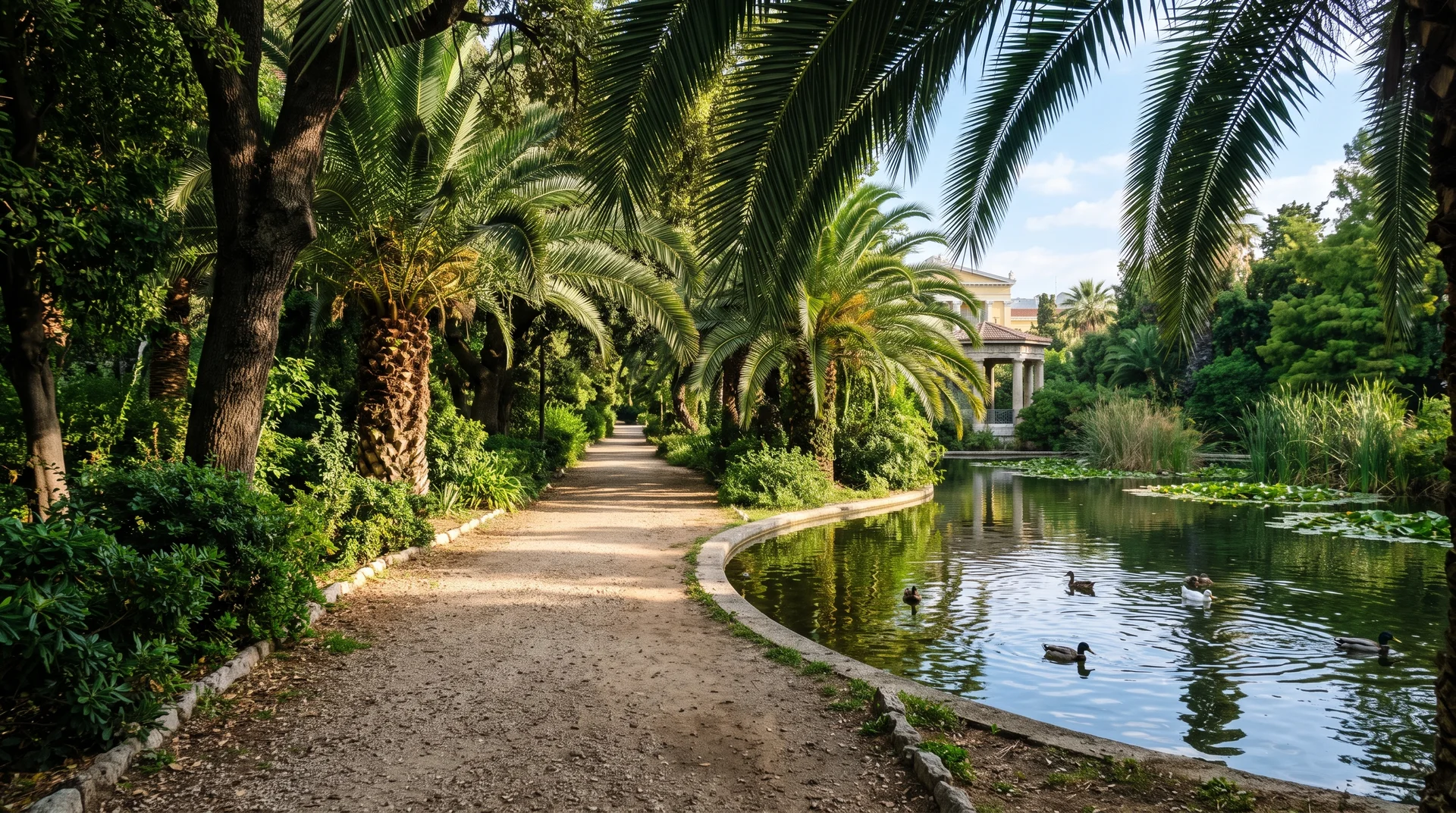
Between two ancient sites, this fifteen-hectare park created in 1838 by Queen Amalia is the city's best refuge: avenues shaded by palms and cypresses, duck ponds, fallen columns scattered among the groves, a playground and a tiny menagerie that delights younger visitors. Entry is free, from sunrise to sunset, and the temperature drops several degrees inside. At the northern exit, in front of Parliament, the Evzones stand guard at the Tomb of the Unknown Soldier in their pleated kilts and pom-pom shoes: the changing happens every hour, and the full ceremony, with band and complete detachment, takes place on Sunday around 11am. Syntagma metro is directly opposite. Allow an hour and a half to combine the park, the Zappeion and the changing of the guard.