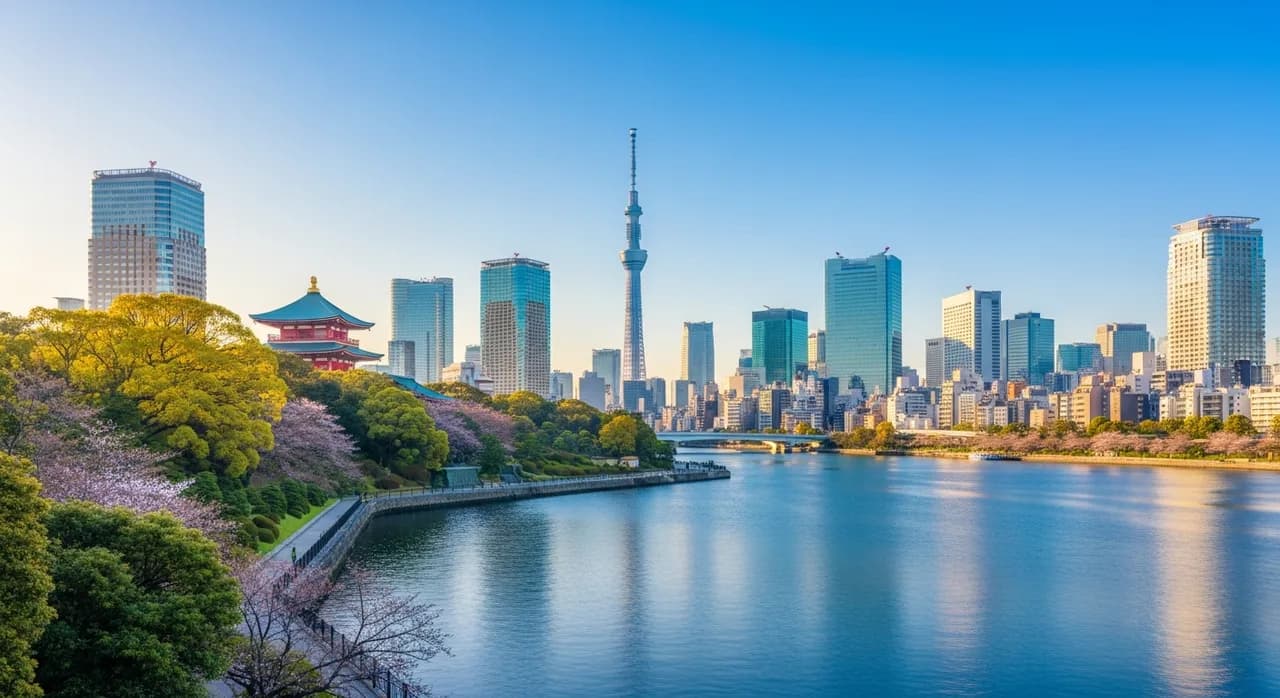
Tokyo, Japan's sprawling capital, is a city that defies every expectation. Home to 14 million people, it seamlessly blends ancient Shinto shrines with glass-and-steel skyscrapers, bustling street markets with world-renowned Michelin-starred restaurants. In fact, Tokyo holds more Michelin stars than any other city on the planet — a testament to the extraordinary quality of its experiences. Whether you're losing yourself in the neon labyrinth of Shinjuku, finding quiet contemplation beneath Asakusa's vermilion lanterns, or gazing over the endless metropolis from the Skytree at sunrise, every neighborhood in Tokyo tells a different story. This isn't just a city to visit — it's a city to experience, intensely, around every corner.
✈️ Flights right now to Tokyo on Yoosky
Guide complet
In this article
- Tokyo Skytree: Gazing Over the Megacity from 634 Meters High
- Shibuya Crossing: Walking the World's Busiest Intersection
- Senso-ji Temple in Asakusa: Stepping Into Tokyo's Ancient Past
- Shinjuku: Neon Lights, Golden Gai, and Unforgettable Nightlife
- Harajuku and Takeshita-dori: At the Heart of Japanese Pop Culture
- Toyosu Market: Tasting the World's Finest Sushi at the Source
- Akihabara: The Global Paradise of Otaku Culture and Electronics
- The Imperial Palace and Kokyo Gaien Gardens: Tokyo's Royal Heart
- Roppongi Hills and Mori Art Museum: Contemporary Art at Tokyo's Summit
- Ueno Park: Museums, Zoo and Cherry Blossoms in Full Bloom
- Yanaka: Wandering Through Preserved, Authentic Old Tokyo
- The Sentō Experience: Immersing Yourself in Japanese Bath Culture
1/12Tokyo Skytree: Gazing Over the Megacity from 634 Meters High
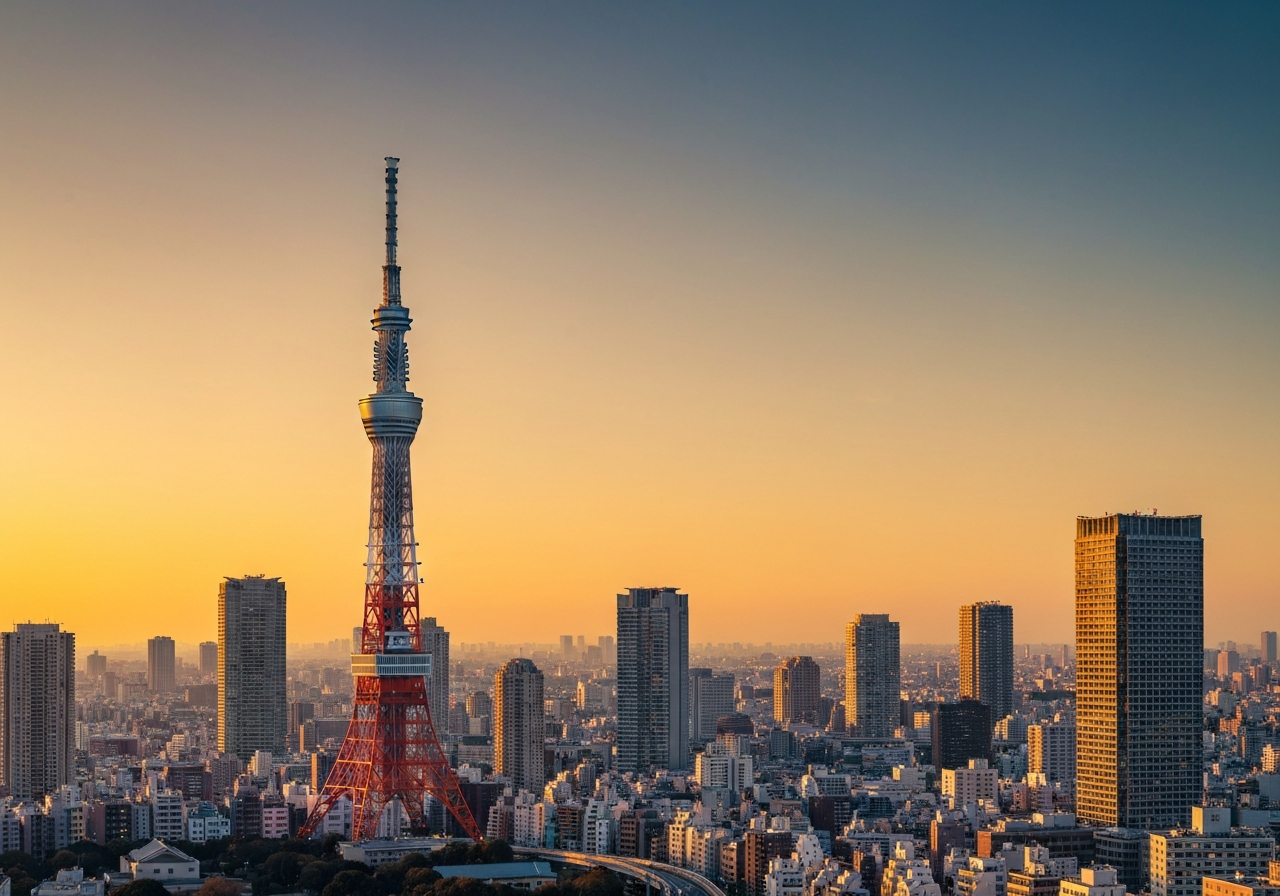
Opened in 2012, Tokyo Skytree is the world's second-tallest structure at 634 meters. Two observation decks offer breathtaking panoramas: the Tembo Deck at 350 meters and the glass-floored Tembo Galleria at 450 meters — not for the faint-hearted. On a clear day, you can spot Mount Fuji on the horizon, a truly unforgettable sight. The tower is especially magical at sunset, when the city ignites in a sea of lights below. At its base, Tokyo Solamachi is a vast shopping complex with over 300 shops and restaurants. Book your tickets online in advance, especially during peak season, to avoid long queues. The tower is directly accessible from Oshiage Station on the Tobu Skytree Line.
2/12Shibuya Crossing: Walking the World's Busiest Intersection
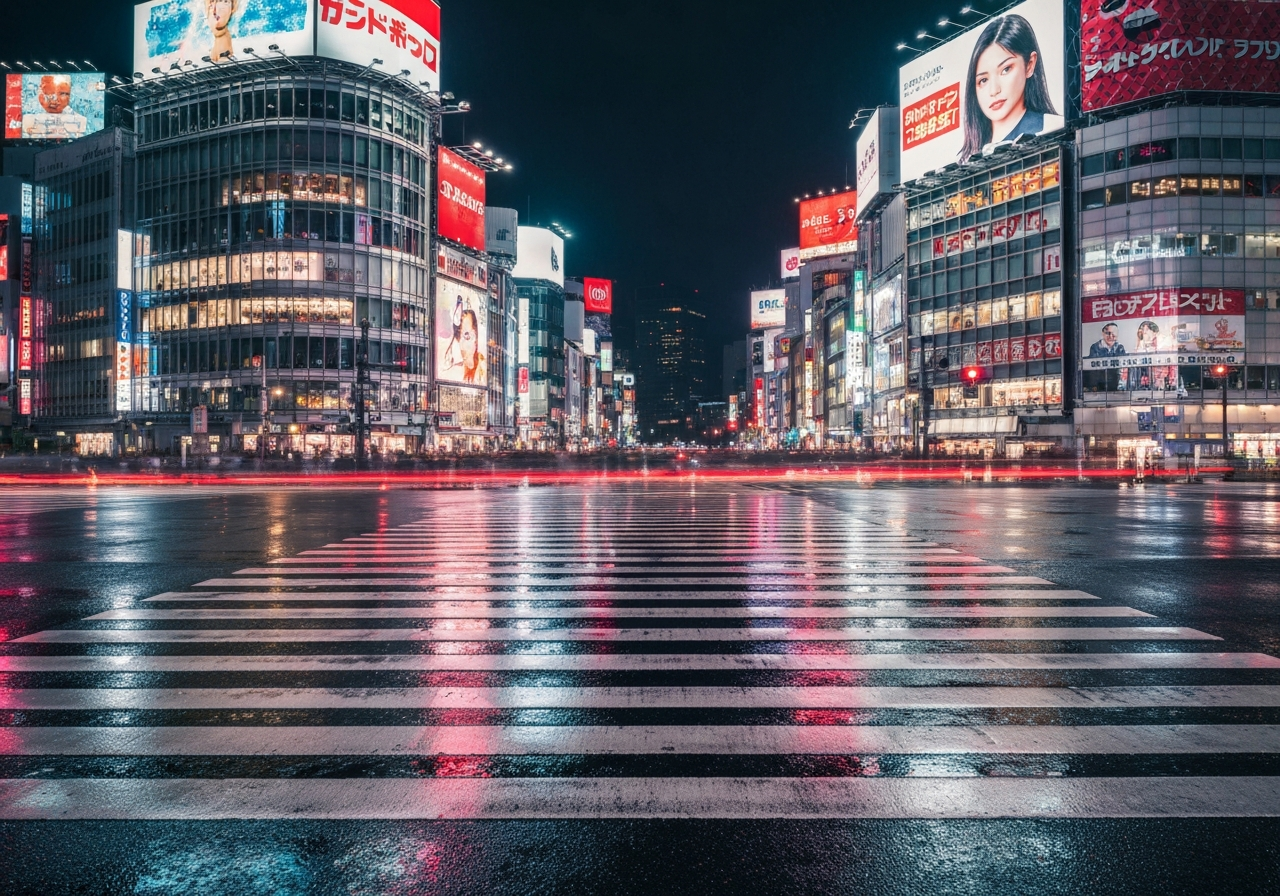
There is nowhere else on Earth quite like the Shibuya scramble crossing. When the lights turn red, thousands of pedestrians converge simultaneously from every direction — up to 3,000 people in a single crossing at peak times. The view from the first-floor Starbucks terrace overlooking the intersection, or from the Mag's Park walkway, is simply jaw-dropping. The Shibuya neighborhood itself is packed with shops, restaurants, malls like the iconic Shibuya 109, and live music venues. At night, with neon signs illuminating the giant QFront screen, the atmosphere becomes electrifying. During Halloween, Shibuya transforms into the epicenter of Japan's most spectacular street celebrations. An absolute must-see experience.
3/12Senso-ji Temple in Asakusa: Stepping Into Tokyo's Ancient Past
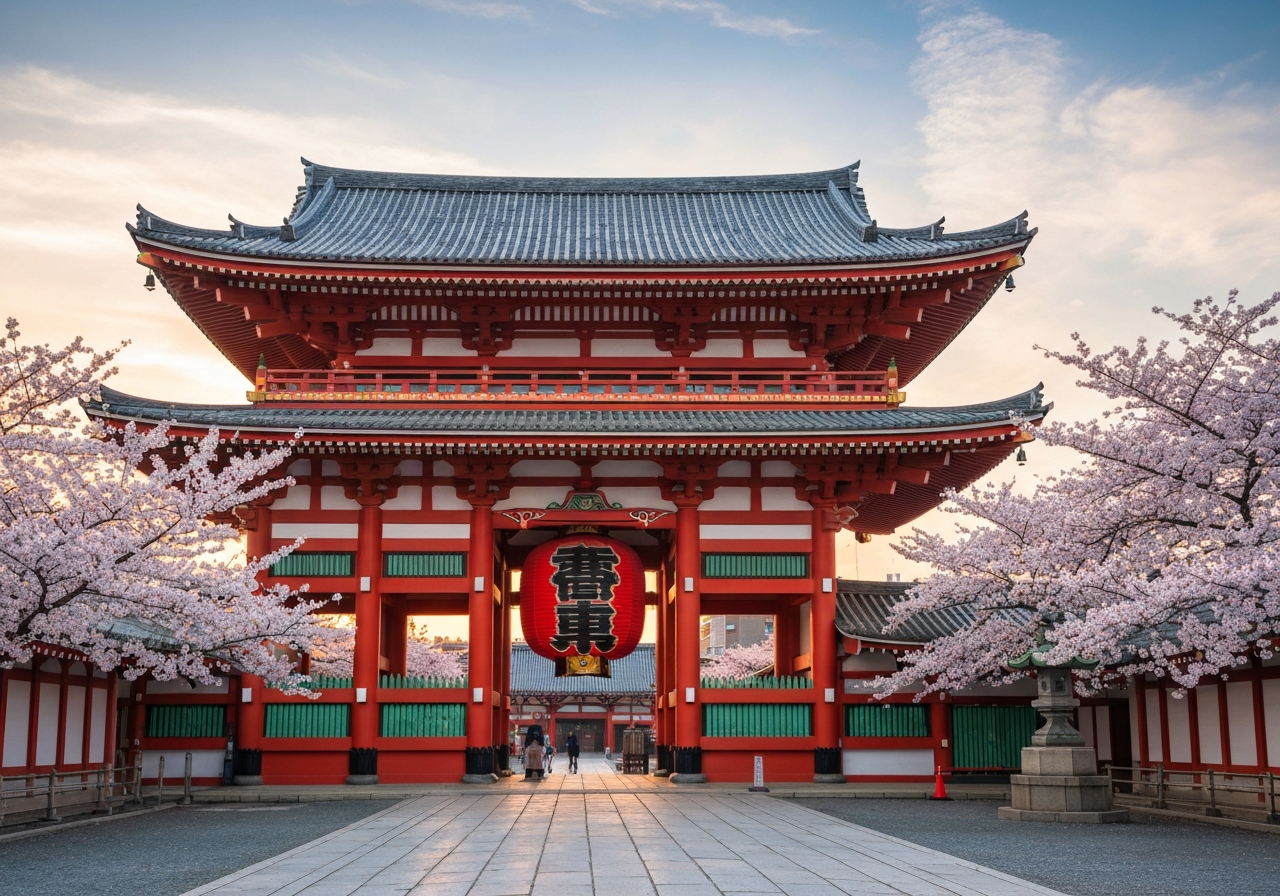
Founded in 628 AD, Senso-ji is Tokyo's oldest temple and one of Japan's most visited. Entrance is through the Kaminarimon (Thunder Gate), adorned with its famous giant red lantern — arguably Tokyo's most iconic photo opportunity. You then walk up Nakamise-dori shopping street, lined with stalls selling souvenirs, senbei rice crackers, and traditional crafts. Before entering the main temple, purify your hands at the chōzuya ritual fountain. The interior, dedicated to the goddess Kannon, is richly decorated with paintings and incense. Arrive early in the morning to avoid crowds and soak in a near-mystical atmosphere. On weekends, traditional musicians and artists perform around the temple grounds.
4/12Shinjuku: Neon Lights, Golden Gai, and Unforgettable Nightlife
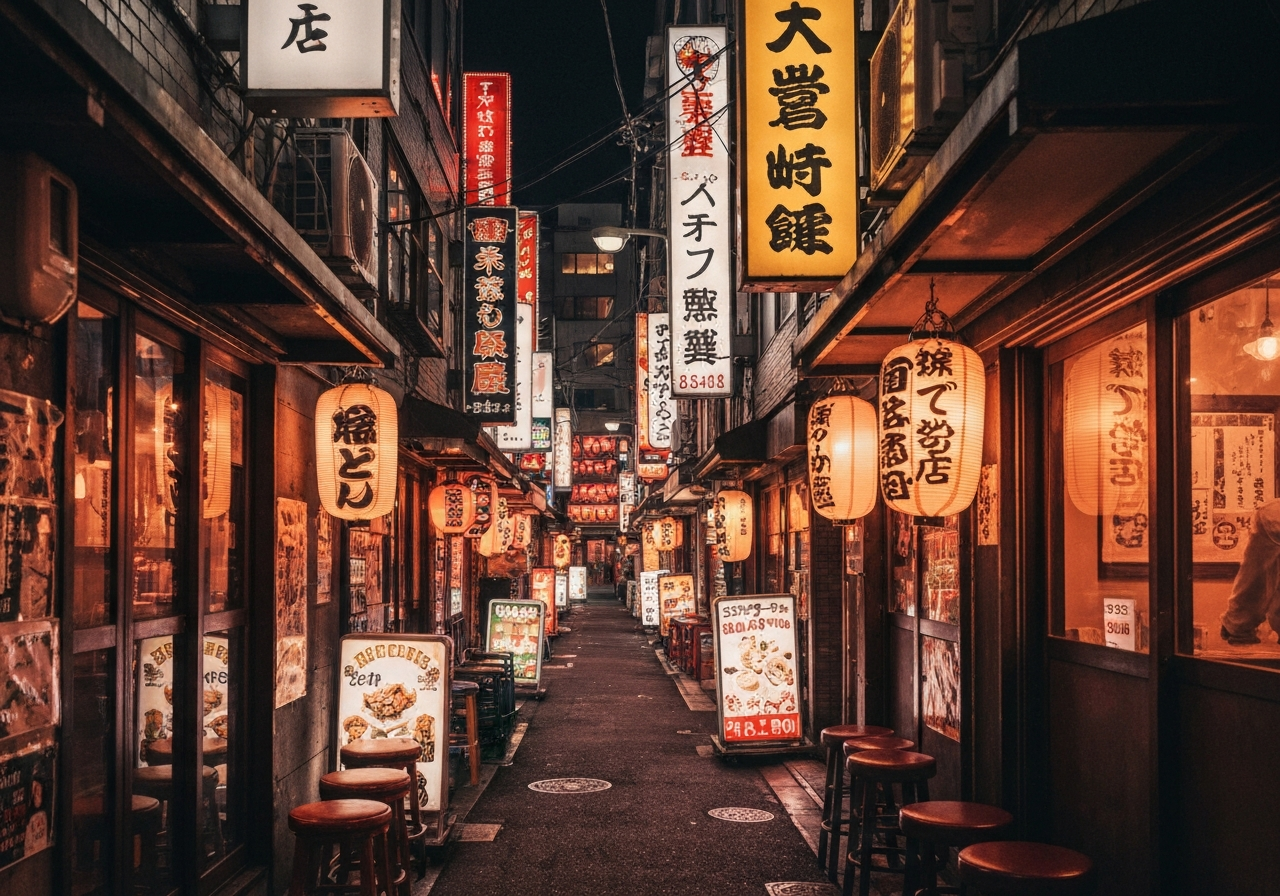
Shinjuku is Tokyo's beating heart by night. Shinjuku Station, the world's busiest with over 3.5 million daily passengers, is a labyrinth in itself. To the east, Kabukicho is Asia's largest entertainment district, packed with karaoke bars and izakayas. But Shinjuku's true soul lives in the Golden Gai: a maze of six narrow alleyways with over two hundred tiny bars, each with its own theme and loyal regulars. To the west of the station, Shinjuku's skyscraper district houses several free observation decks with stunning panoramic views. Shinjuku is also home to the Ni-chome neighborhood, renowned as one of Asia's most welcoming LGBTQ+ districts. A neighborhood where you could easily lose three days of your life.
5/12Harajuku and Takeshita-dori: At the Heart of Japanese Pop Culture
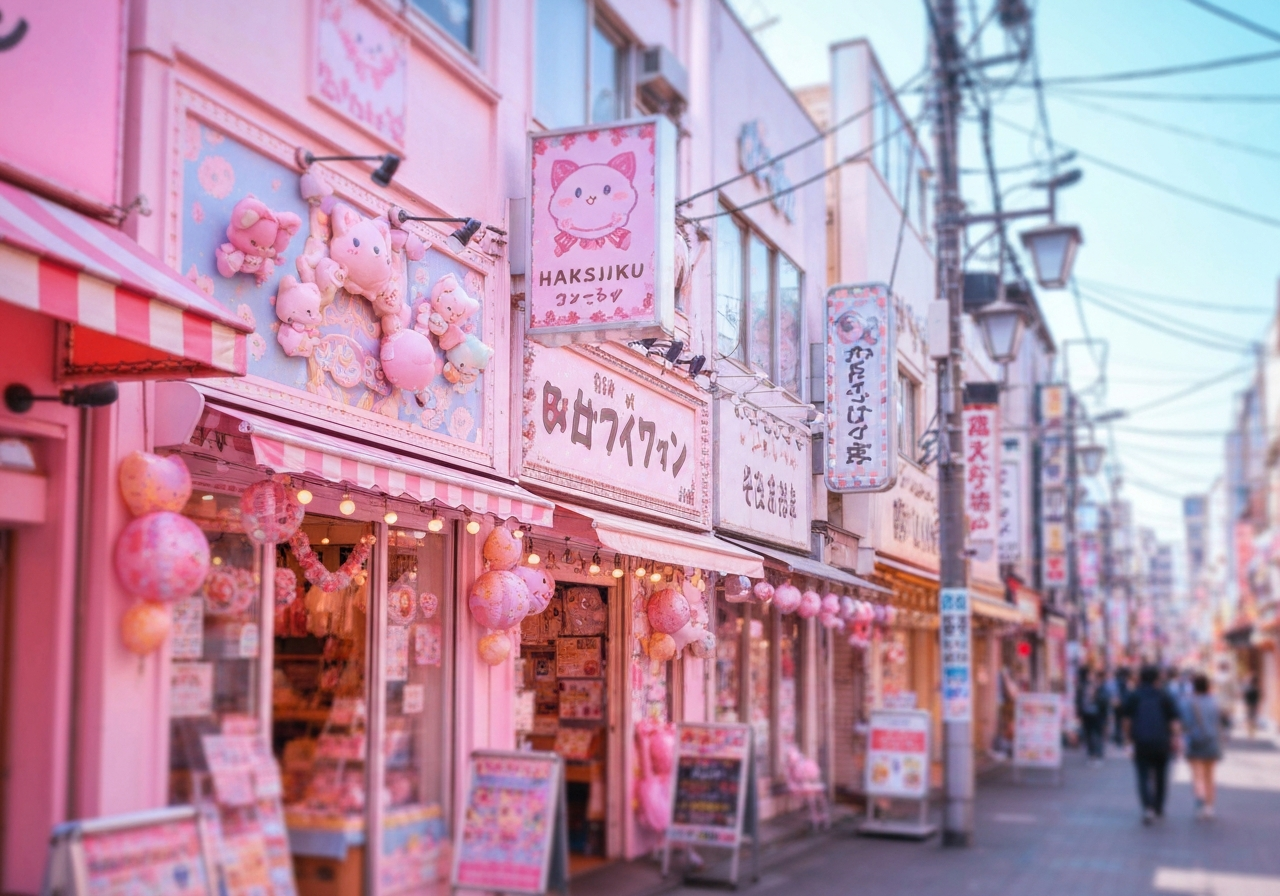
Harajuku is the birthplace of alternative fashion and Japan's kawaii culture. The 350-meter-long Takeshita-dori pedestrian street is a permanent festival of colors, fruit-topped crepes, quirky clothing boutiques, and cosplay. On school-out weekends, young Tokyoites arrive dressed in extraordinary outfits. Adjacent Omotesando offers a striking contrast: it's Tokyo's Champs-Élysées, with luxury flagship stores (Prada, Louis Vuitton, Dior) housed in architecturally bold buildings. On Sunday mornings, neighboring Yoyogi Park hosts various outdoor activities and amateur music gatherings for an authentic local experience. Together, Harajuku and Omotesando capture the full spectrum of Tokyo's fashion obsession, from wild street style to high-end elegance.
6/12Toyosu Market: Tasting the World's Finest Sushi at the Source
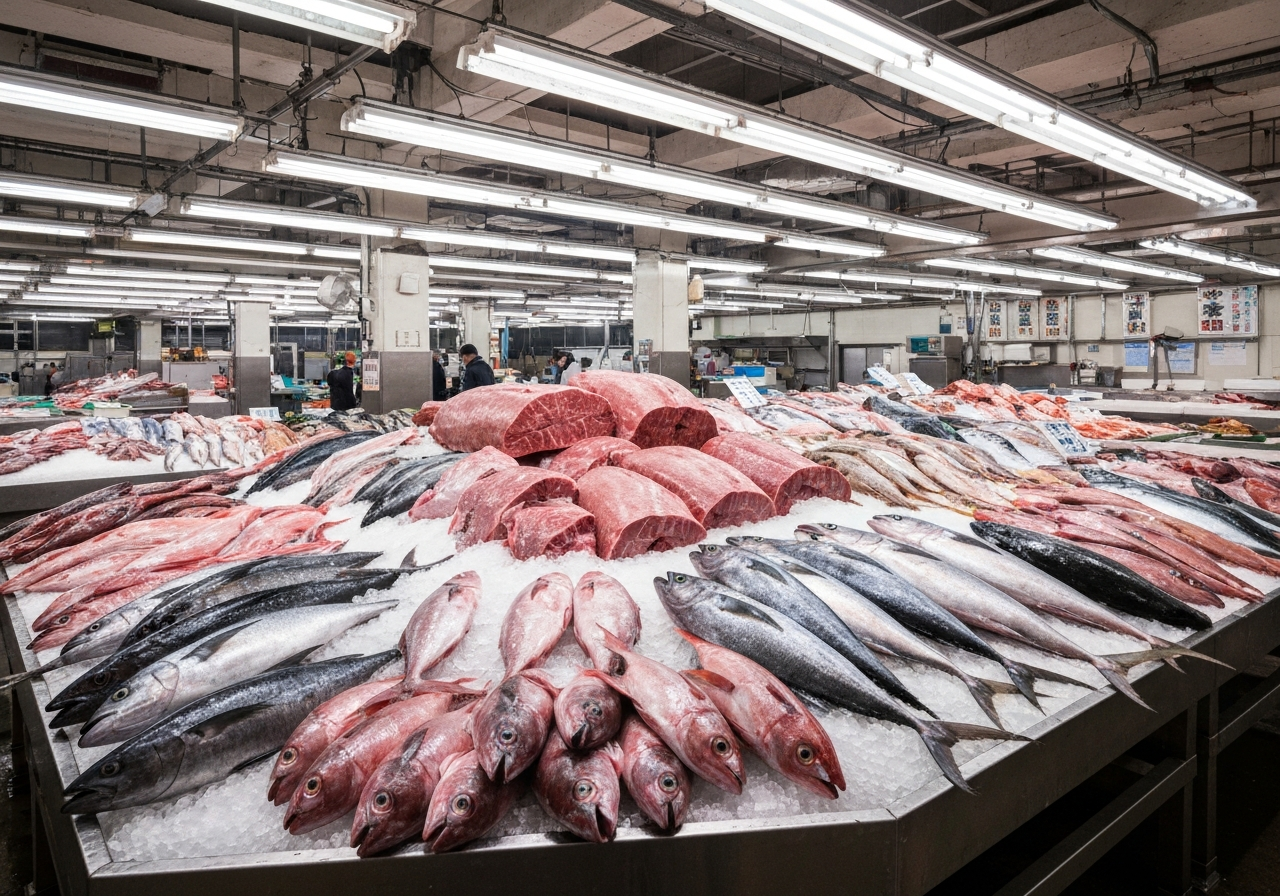
Since 2018, Tokyo's great fish market has moved from Tsukiji to Toyosu, a brand-new facility on an artificial island east of downtown. Toyosu remains the world's largest fish market, distributing hundreds of tons of seafood daily from across the globe. The early-morning bluefin tuna (maguro) auctions are legendary — prices can reach millions of yen for a single fish. After visiting, the outer market area around former Tsukiji remains active with dozens of top-quality sushi restaurants and street food stalls. For an authentic counter sushi experience, book a seat at an omakase restaurant where the chef selects each piece based on the day's freshest catch. This is where you'll understand why Tokyo holds more Michelin stars than any other city in the world.
7/12Akihabara: The Global Paradise of Otaku Culture and Electronics
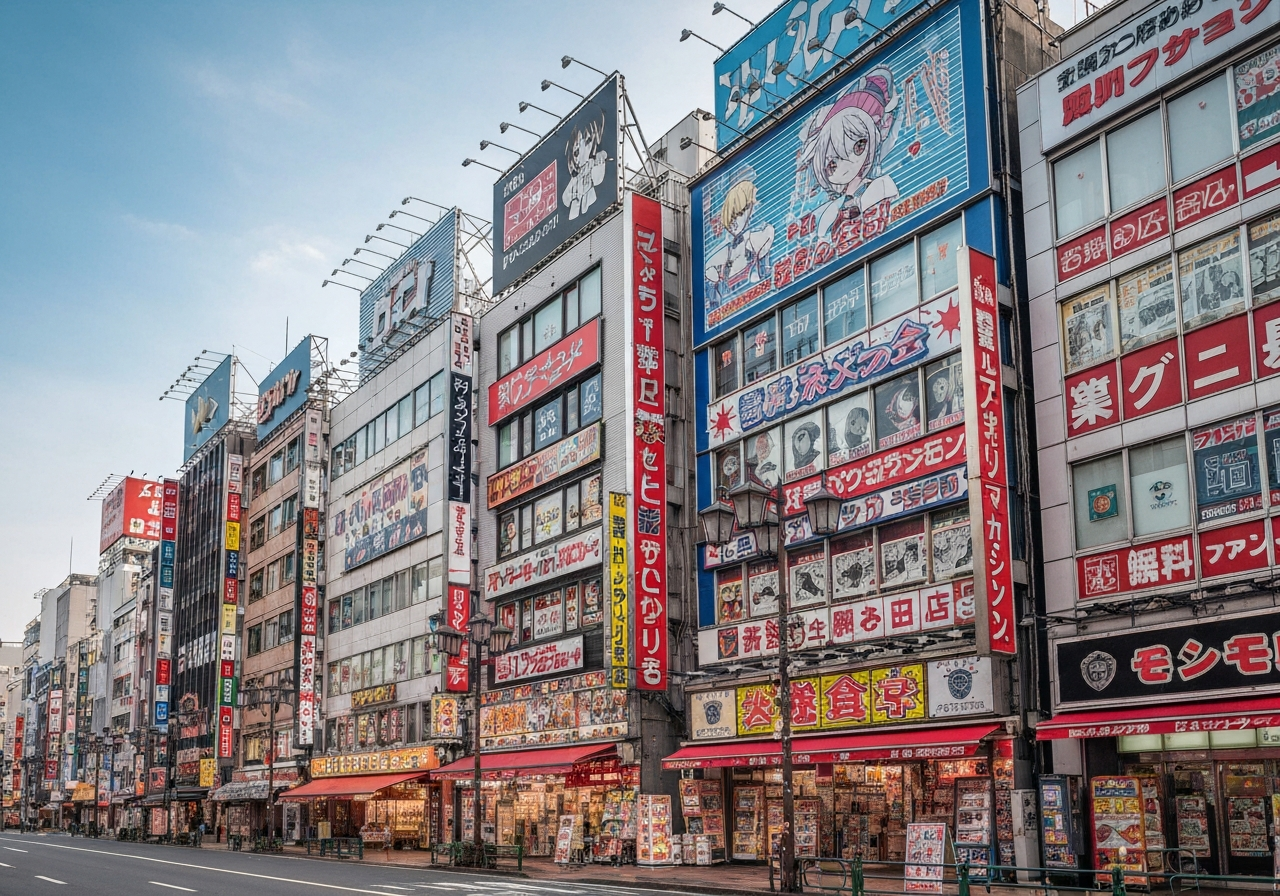
Akihabara, nicknamed 'Akiba' by Tokyoites, is the world's temple of otaku culture and electronics. Entire tower buildings are dedicated to manga, figurines, retro video games, and anime — Yodobashi Camera and the labyrinthine floors of Mandarake are absolute references. Maid cafés, where costumed waitresses greet customers with exuberant enthusiasm, are a local institution worth experiencing for their sheer cultural uniqueness. For electronics enthusiasts, basements overflow with rare components and gaming consoles impossible to find elsewhere. Akihabara is also the perfect place to stock up on cameras, lenses, or tech gadgets at prices often lower than in Europe. Whether you're a devoted fan or simply curious, it's a fascinating immersion into contemporary Japanese imagination.
8/12The Imperial Palace and Kokyo Gaien Gardens: Tokyo's Royal Heart
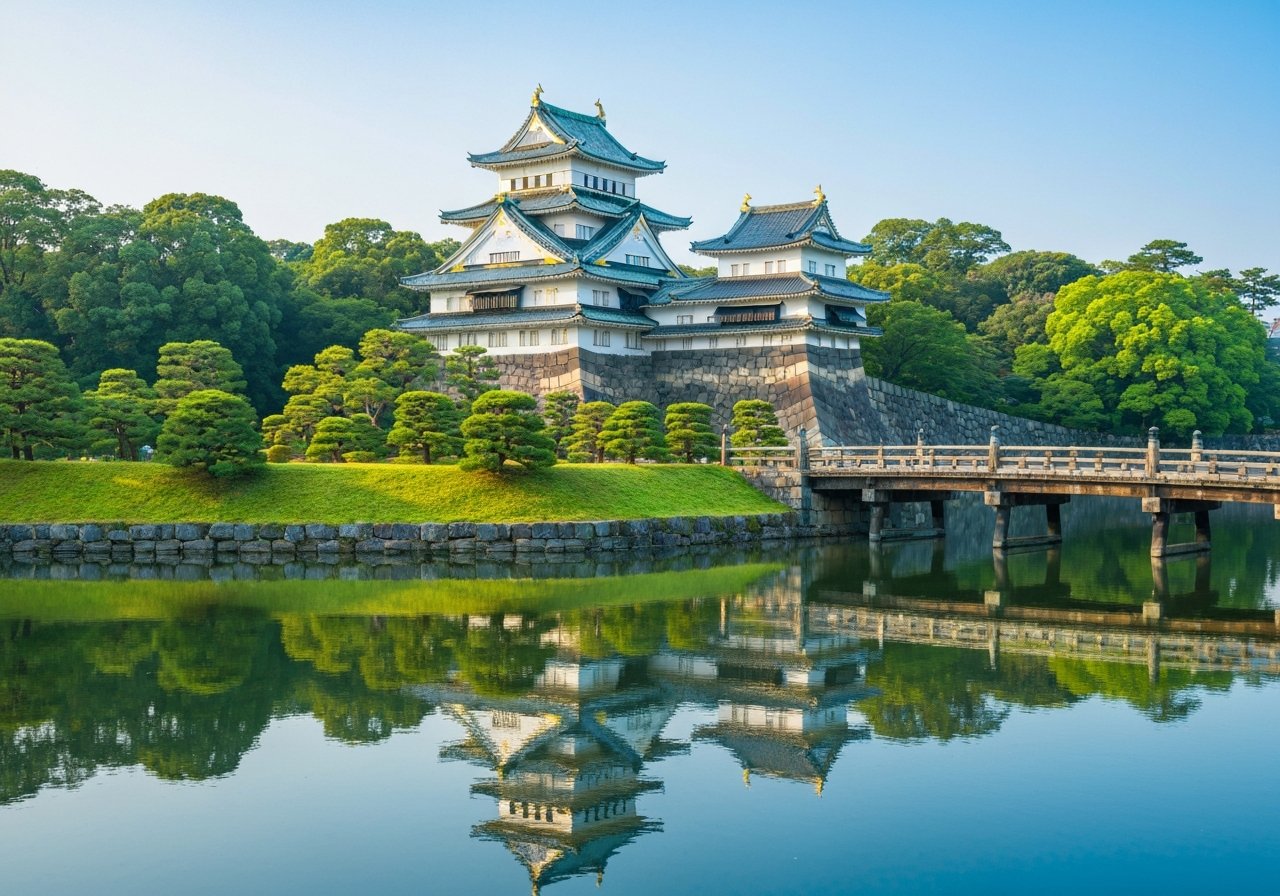
At the heart of Tokyo, surrounded by moats and stone ramparts, stands the Imperial Palace — the official residence of the Emperor of Japan since the Meiji era. The palace itself opens to the public only twice a year (January 2nd and February 23rd). However, the East Gardens (Higashi Gyoen) are freely accessible Tuesday through Sunday, offering a peaceful haven with flower beds, sculpted pines, and remnants of Edo-period fortifications. The Kokyo Gaien esplanade, with its famous niwaki-pruned pines and white gravel paths, welcomes joggers and visitors seeking calm. The Nijubashi bridge, reflected in the surrounding moat, is one of Tokyo's most photographed monuments. Accessible from Nijubashimae Station on the Chiyoda Line.
9/12Roppongi Hills and Mori Art Museum: Contemporary Art at Tokyo's Summit
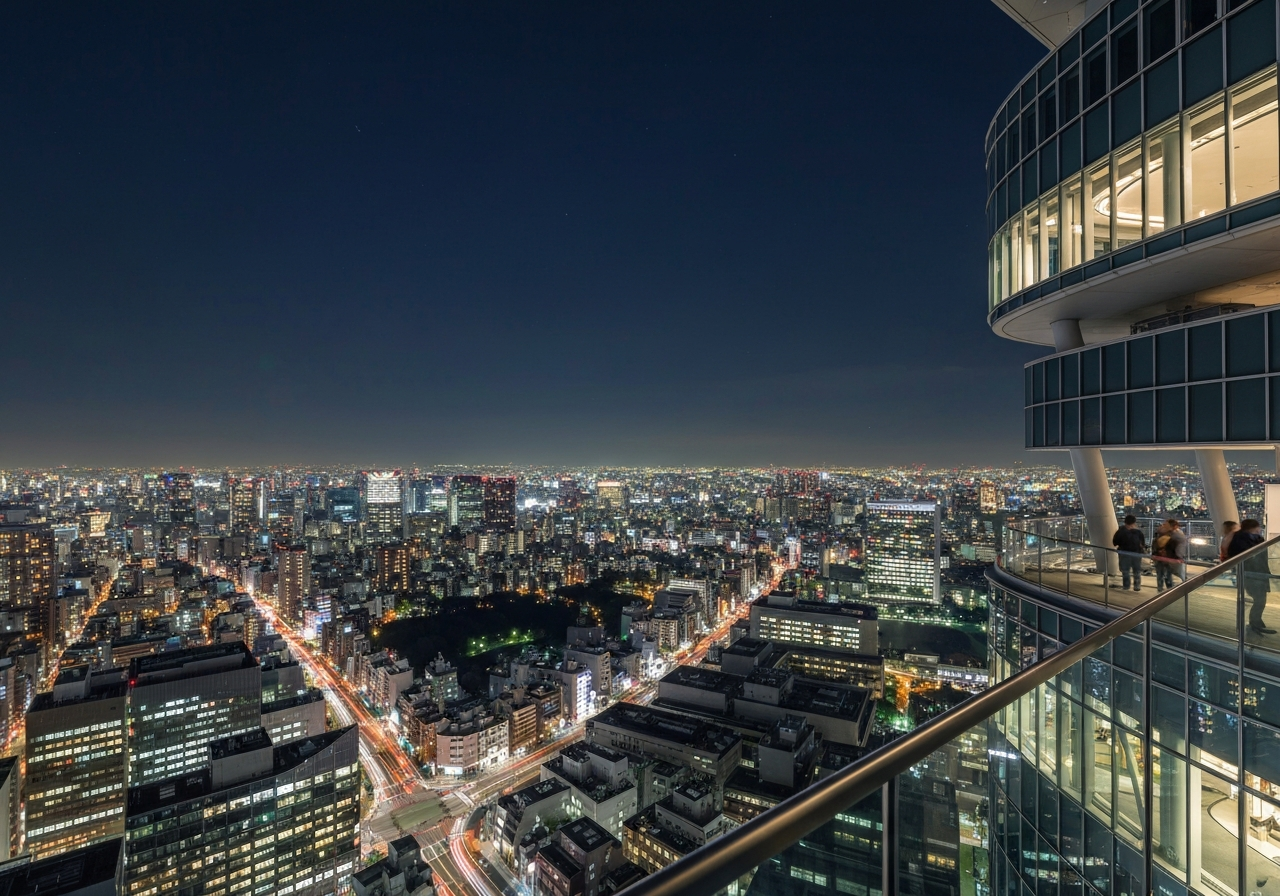
Opened in 2003, Roppongi Hills is one of Tokyo's most ambitious urban developments: a complete ecosystem of offices, residences, hotels, restaurants, and art spaces in a single architectural complex. On the 53rd floor of Mori Tower, the Mori Art Museum presents internationally renowned contemporary art exhibitions, often spectacular in scale. Just below, the Tokyo City View observation platform offers a 360° panorama, with Mount Fuji visible on clear days. Louise Bourgeois' giant 'Maman' spider sculpture welcomes visitors at the entrance. Nearby, the National Art Center rounds out an exceptional cultural offering. The Roppongi area is particularly lively in the evening, with a cosmopolitan nightlife scene popular among expats and international visitors.
10/12Ueno Park: Museums, Zoo and Cherry Blossoms in Full Bloom
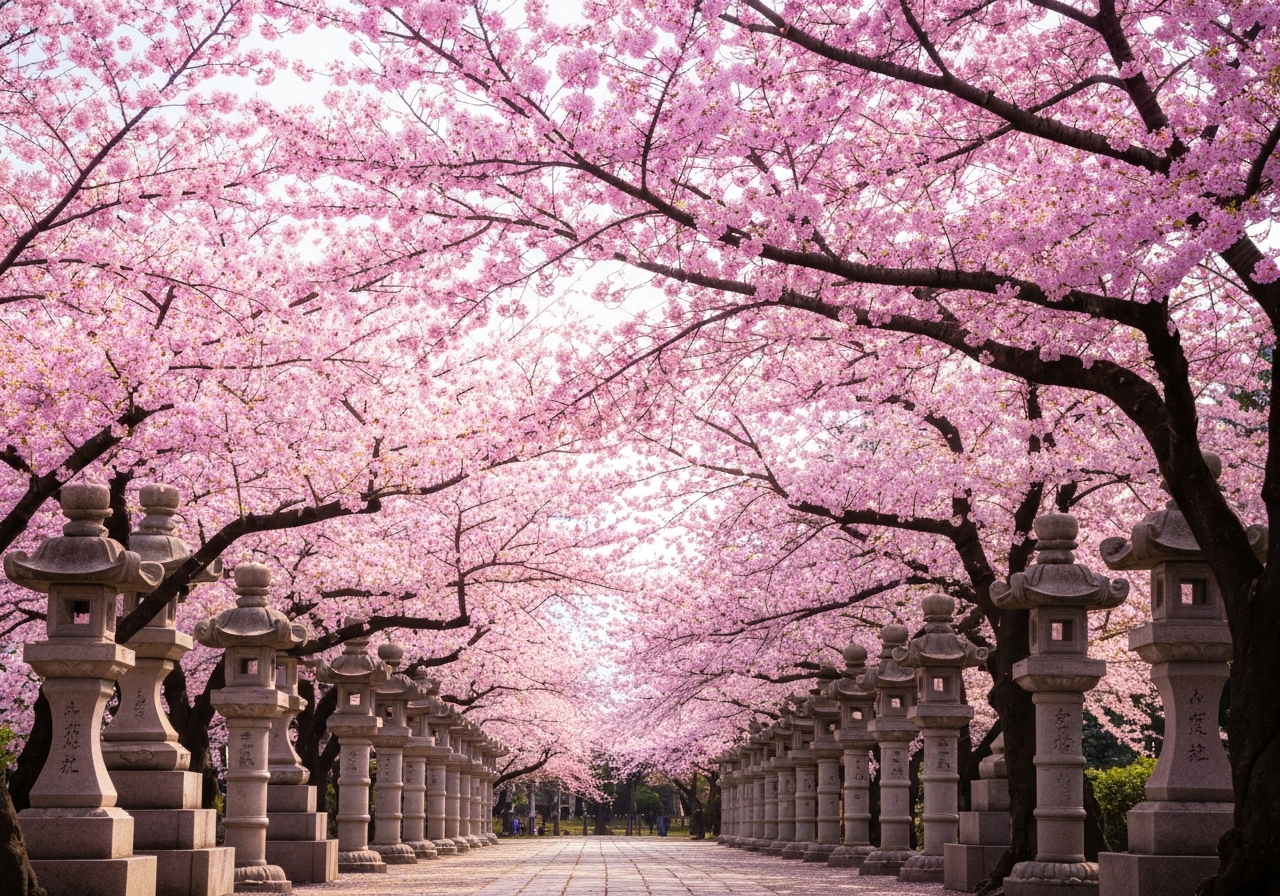
Ueno Park is Tokyo's cultural lung. This vast 53-hectare green space houses a unique concentration of major institutions: the Tokyo National Museum (Japan's largest with over 110,000 works), the National Museum of Nature and Science, the National Museum of Western Art, and the Tokyo Metropolitan Art Museum. Ueno Zoo, one of Asia's oldest, is famous for its giant pandas. But it's in spring that the park truly shines: during cherry blossom season (hanami) in early April, the avenues of over one thousand blooming sakura trees become the backdrop for festive picnics that are absolutely unforgettable. During hanami, stake out your spot under the trees early — families sometimes arrive at dawn to secure the best locations.
11/12Yanaka: Wandering Through Preserved, Authentic Old Tokyo
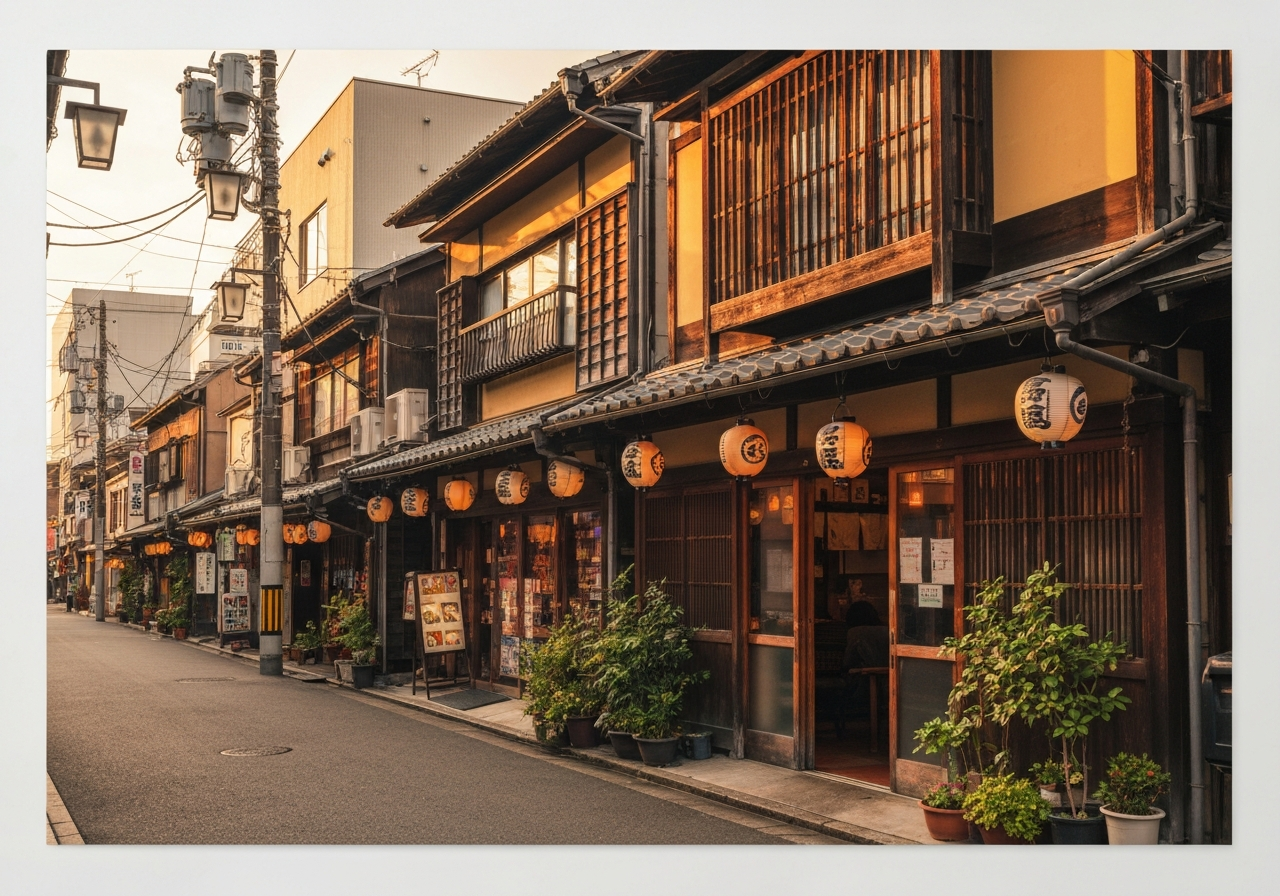
Yanaka is one of the rare Tokyo neighborhoods to have survived both the 1923 earthquake and the 1945 bombings, preserving a unique 'shitamachi' (old downtown) atmosphere in the midst of the modern megacity. Its narrow paved lanes, traditional wooden houses, independent art galleries, and quiet Buddhist temples paint a picture of unexpected gentleness. Yanaka Ginza, a lively little shopping street, offers artisan workshops, local bakeries, and homemade tofu stalls. The vast Yanaka Cemetery, dotted with old cherry trees and moss-covered Buddha statues, is a cherished spot for peaceful strolls among Tokyoites. For architecture lovers and street photographers, Yanaka offers perspectives found nowhere else in the capital. Best combined with neighboring Nezu and Sendagi for a half-day of old-Tokyo wandering.
12/12The Sentō Experience: Immersing Yourself in Japanese Bath Culture
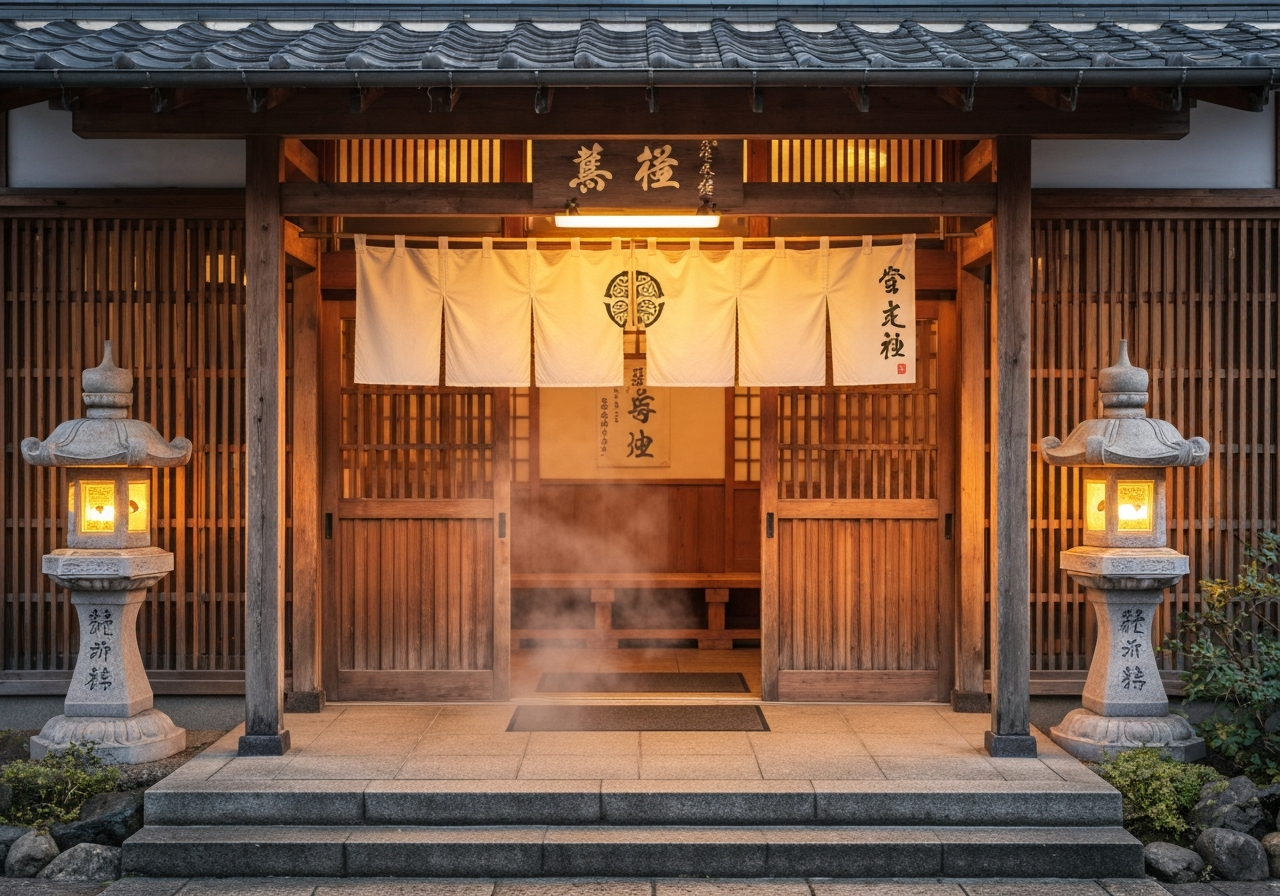
You cannot truly understand Tokyo without experiencing a sentō. These communal public bathhouses, found in nearly every neighborhood, have been a pillar of Japanese social life for centuries. Unlike onsen (natural hot spring baths), sentōs use artificially heated water, but the communal spirit is identical. You undress completely, wash yourself thoroughly at your individual station, then ease into shared pools at various temperatures. Some modern Tokyo sentōs offer baths enriched with bamboo charcoal, salt, or milk, along with saunas and outdoor gardens. Among Tokyo's most beautiful is Shimizuyu in Minami-Aoyama. A deeply de-stressing experience rooted in Japanese culture and accessible to all for around 500 yen (about €3) — a remarkable slice of authentic local life.