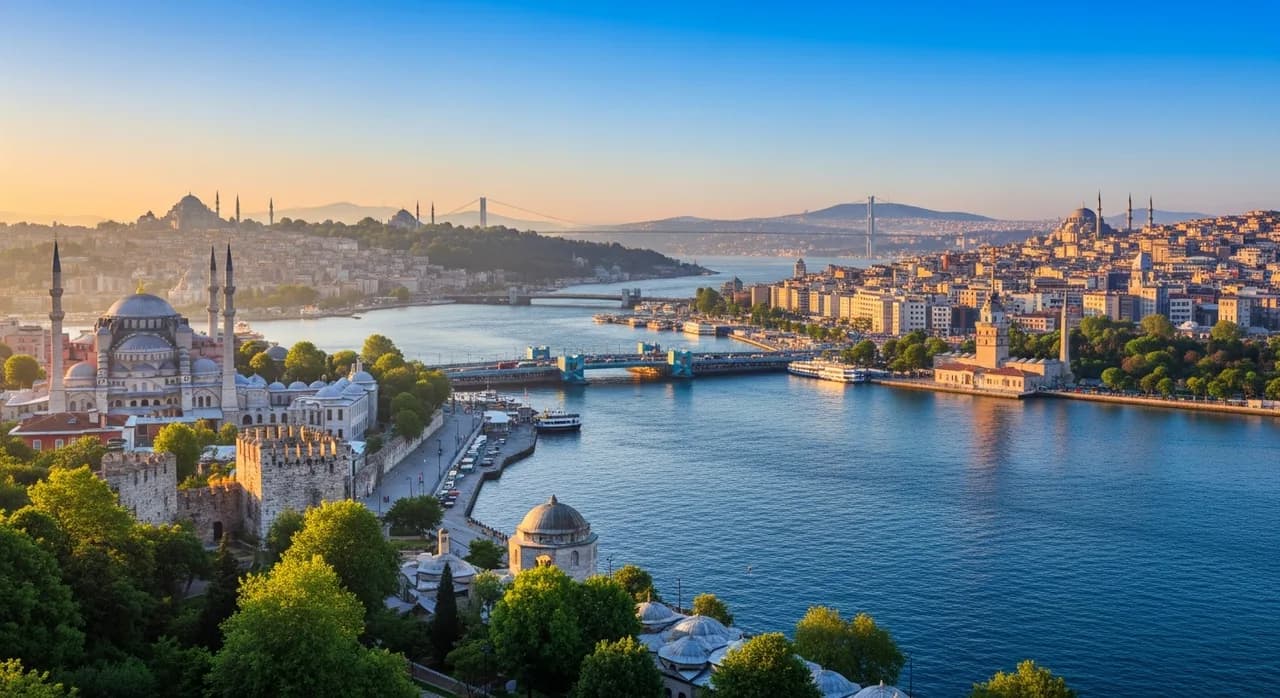
Istanbul is one of the rare cities in the world that straddles two continents, offering a unique blend of millennial history, vibrant culture, and captivating gastronomy. The former capital of three great empires — Roman, Byzantine, and Ottoman — it overflows with breathtakingly beautiful monuments. Between its minarets piercing the sky at sunrise, its labyrinthine bazaars filled with a thousand scents, and the blue waters of the Bosphorus reflecting splendid palaces, Istanbul is a destination that never ceases to amaze. Whether you're a history enthusiast, a food lover, or simply seeking total change of scenery, this extraordinary metropolis has everything to win you over.
✈️ Flights right now to Istanbul on Yoosky
Complete guide
In this article
- Hagia Sophia: The Architectural Masterpiece Between Church, Mosque, and Museum
- The Blue Mosque: Ottoman Elegance in All Its Splendor
- The Grand Bazaar: Getting Lost in the World's Largest Covered Market
- Topkapi Palace: At the Heart of the Ottoman Empire for 400 Years
- Basilica Cistern: Descending into One of Istanbul's Greatest Underground Mysteries
- Bosphorus Cruise: Seeing Istanbul from the Strait That Separates Two Continents
- The Spice Bazaar: A Festival of Scents and Colors in the Heart of Eminönü
- Karaköy and Galata: The Trendy, Bohemian Neighborhood on the North Shore
- The Balat Neighborhood: In the Heart of Colorful, Multicultural Old Istanbul
- The Traditional Hammam: Relaxing Like a Sultan in Ottoman Baths
- The Princes' Islands: Escaping to the Car-Free Archipelago 30 Minutes from Istanbul
- Istanbul Street Food and Gastronomy: Simit, Balık Ekmek, and Meze for Food Lovers
1/12Hagia Sophia: The Architectural Masterpiece Between Church, Mosque, and Museum
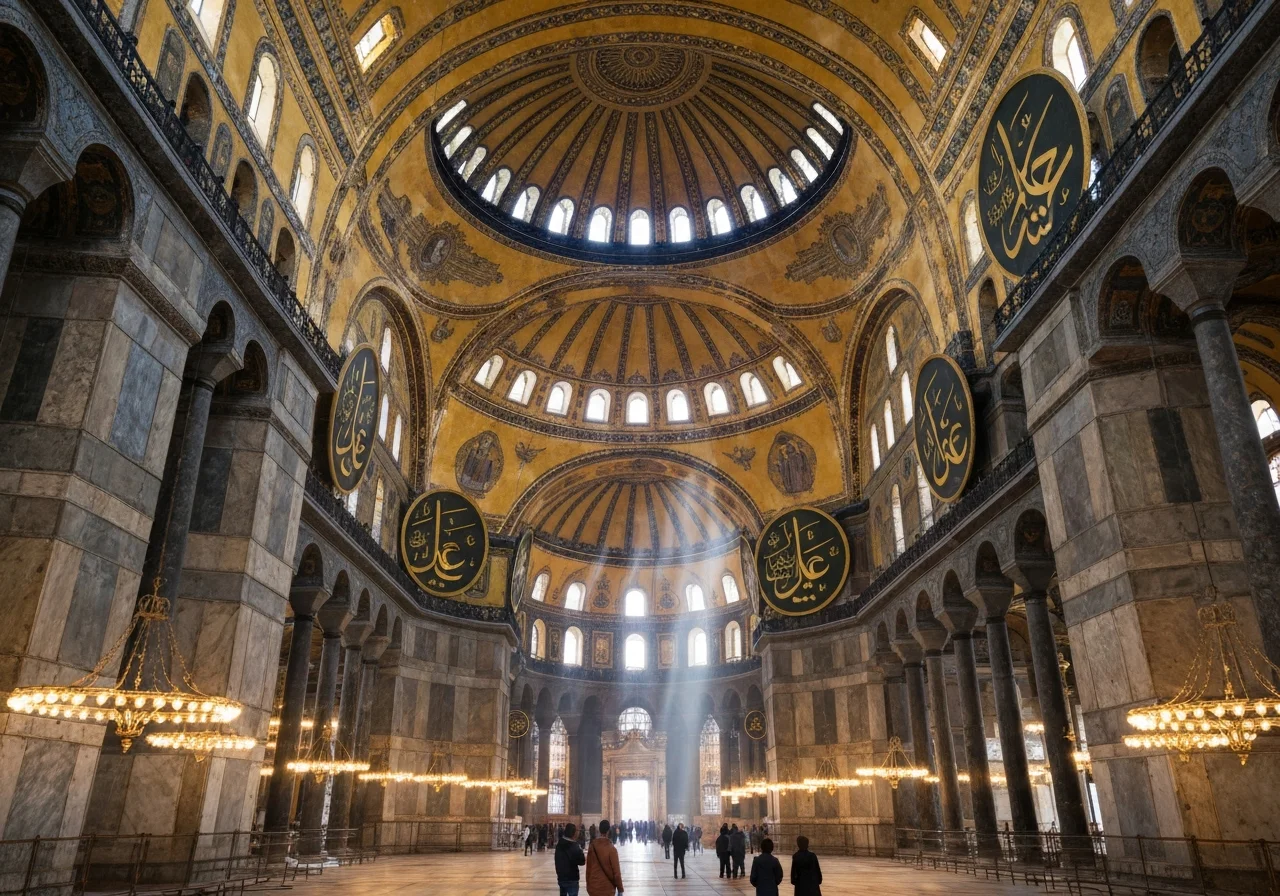
It's impossible to visit Istanbul without stopping at Hagia Sophia, one of humanity's most fascinating monuments. Built in 537 AD under Byzantine Emperor Justinian, this monumental basilica has traversed the centuries while changing its purpose: a Christian church for nearly a millennium, then an Ottoman mosque after the conquest of 1453, converted into a museum in 1934 before becoming a mosque again in 2020. Its colossal dome, 31 meters in diameter, seems to defy the laws of gravity, while the interior blends golden Byzantine mosaics and Islamic calligraphy in an atmosphere steeped in the sacred. Plan to arrive early in the morning to avoid crowds and admire the light filtering through the tall windows.
2/12The Blue Mosque: Ottoman Elegance in All Its Splendor
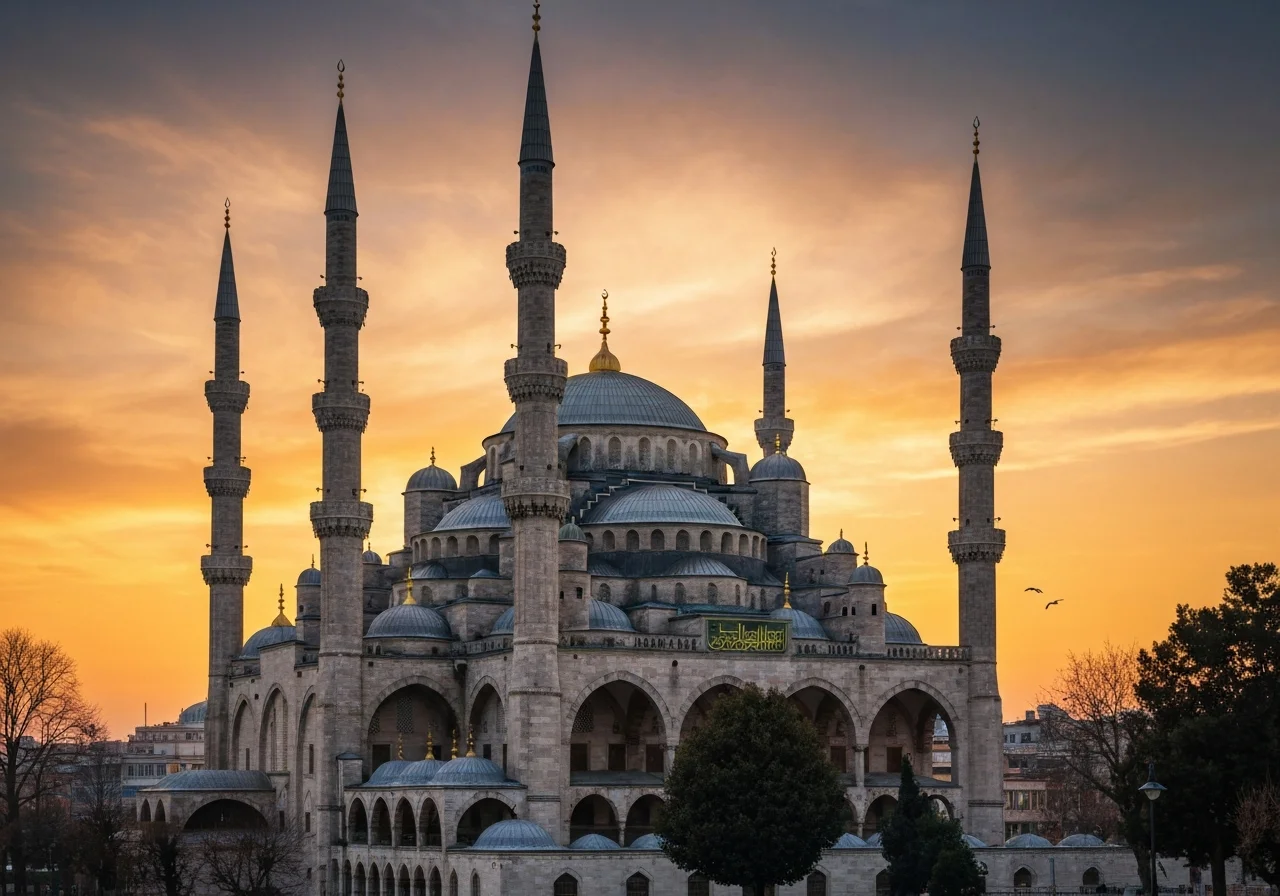
Nicknamed the Blue Mosque due to its 20,000 cobalt-blue Iznik tiles lining its interior, the Sultan Ahmed Mosque is a 17th-century masterpiece of Ottoman architecture. Unique among Istanbul's great mosques, it boasts six minarets, which sparked controversy at the time of its construction. The interior, bathed in soft light filtered through 260 windows, offers an unforgettable visual and spiritual experience. From the Sultanahmet Square facing it, the mosque's silhouette at sunset is one of Istanbul's most beautiful scenes. Respect prayer times and dress modestly to enter.
3/12The Grand Bazaar: Getting Lost in the World's Largest Covered Market
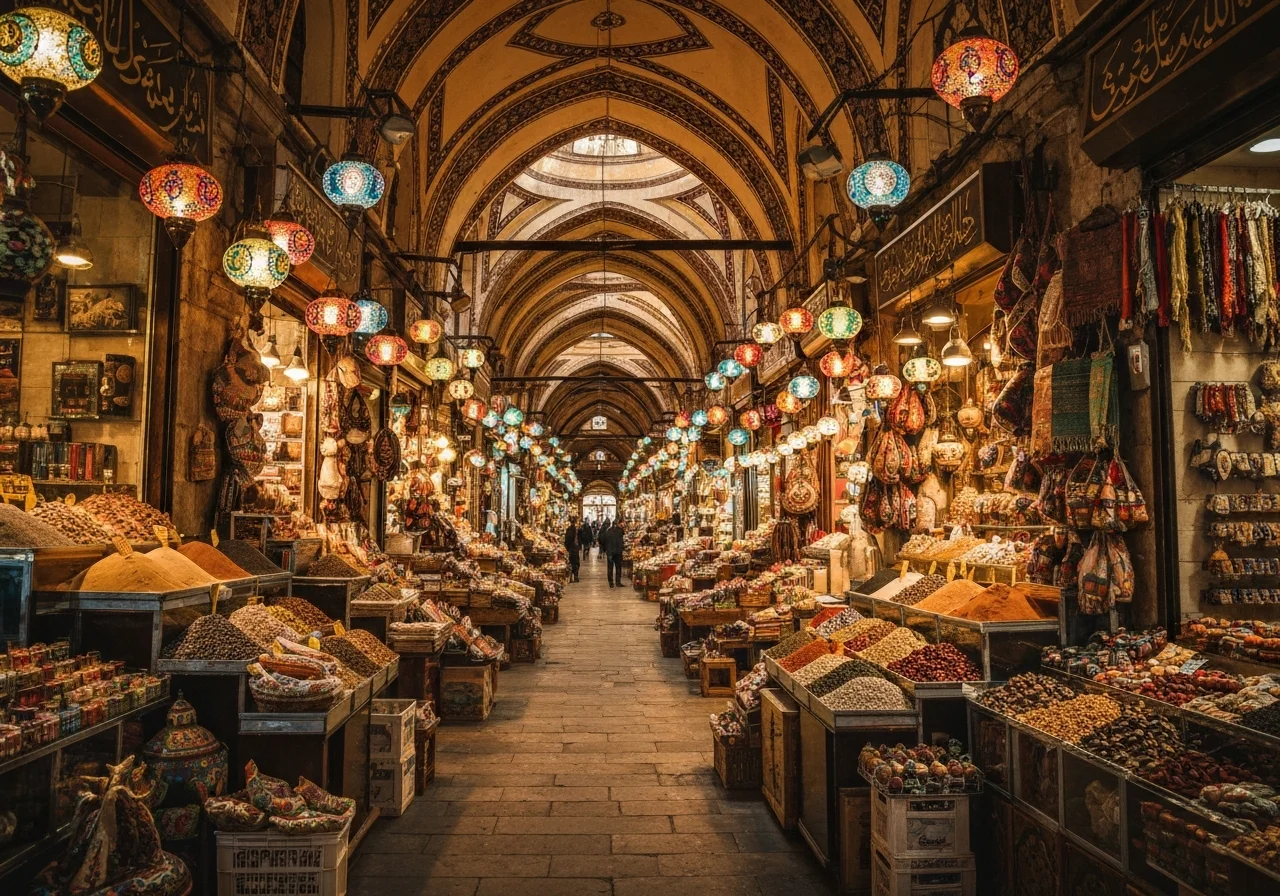
With its 61 covered streets, over 4,000 shops, and some 30,000 people passing through daily, Istanbul's Grand Bazaar is one of the most impressive markets on the planet. Founded in 1455 under the reign of Mehmed II, it is one of the world's oldest shopping centers. Goldsmithing, carpets, ceramics, spices, lanterns, and leather goods stretch endlessly through a maze of vaulted galleries. The merchants are colorful characters and negotiation is an art form. Come without a fixed agenda, let yourself be surprised, and don't hesitate to accept an offered tea — it's a sincere invitation to conversation as much as commerce.
4/12Topkapi Palace: At the Heart of the Ottoman Empire for 400 Years
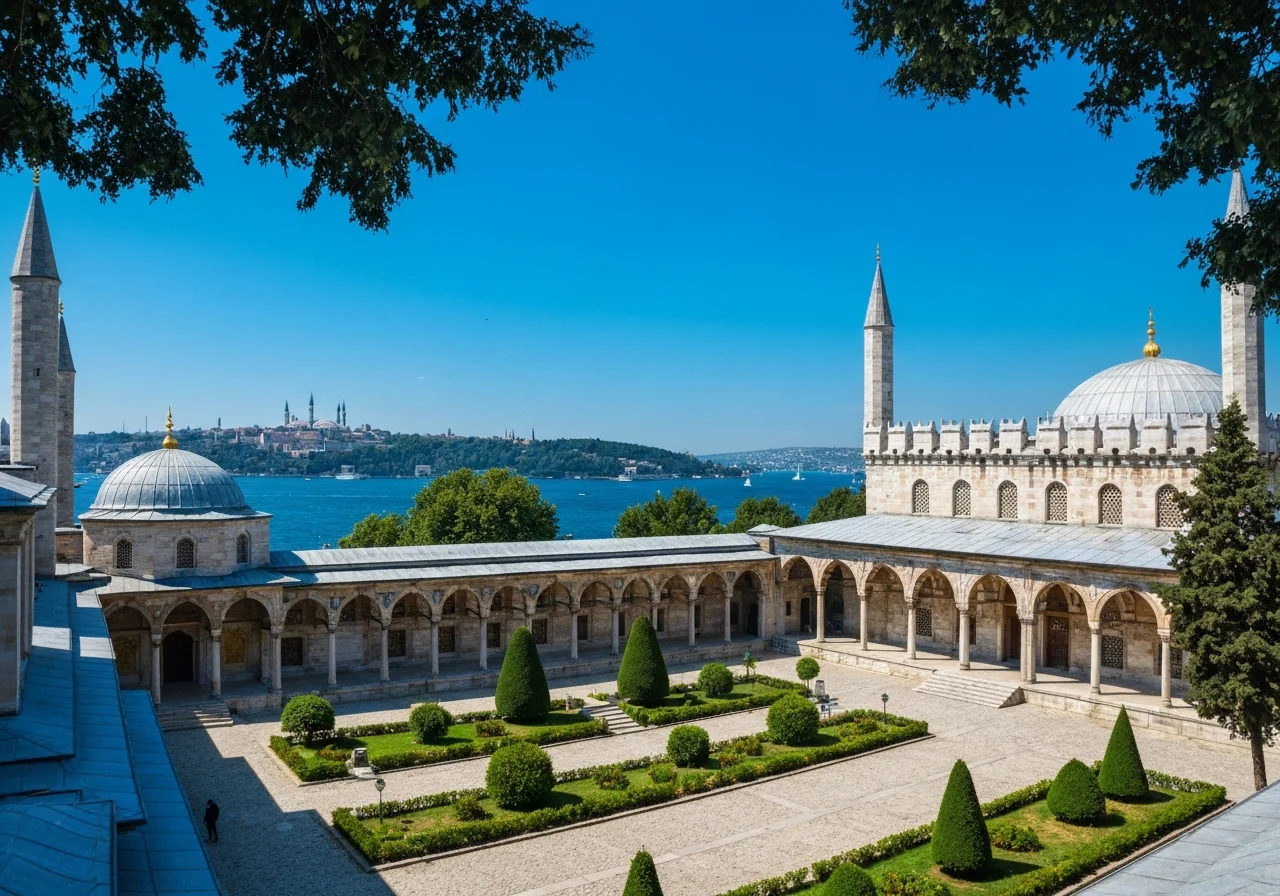
Perched on the tip of Istanbul's promontory, overlooking the Bosphorus and the Golden Horn, Topkapi Palace was for four centuries the center of Ottoman Empire power. Built from 1459 under Mehmed II, it now houses one of the world's richest museums. Its collection includes the Prophet Muhammad's cloak, the sword of Suleiman the Magnificent, and the famous 86-carat Kaşıkçı diamond. The Harem, accessible with a separate ticket, reveals a world of luxurious intimacy with its rooms adorned with precious tiles and marble. The gardens offer exceptional panoramic views over the Bosphorus strait.
5/12Basilica Cistern: Descending into One of Istanbul's Greatest Underground Mysteries
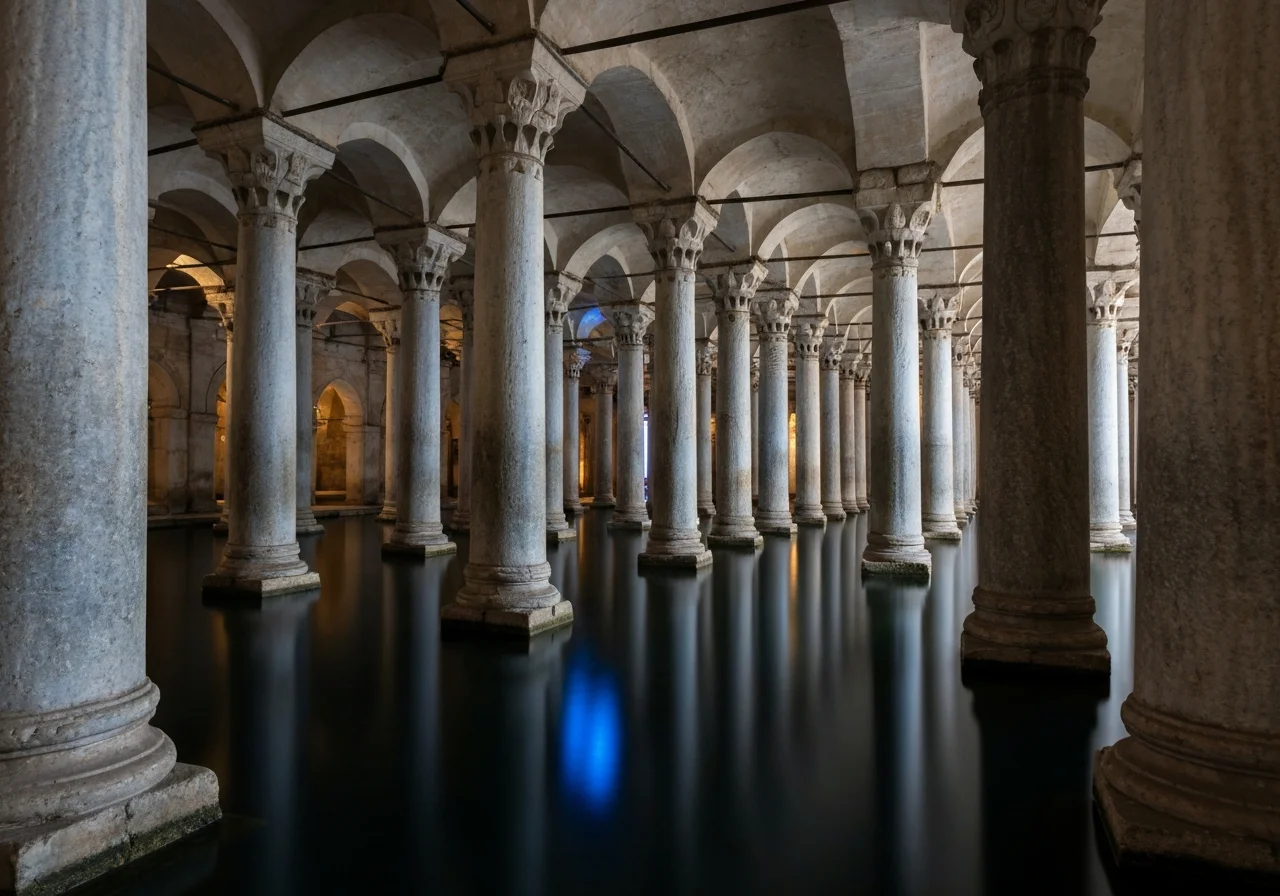
Beneath the streets of Sultanahmet hides one of Istanbul's most mysterious and enchanting monuments: the Basilica Cistern. Built in the 6th century under the Byzantine Empire to store the city's drinking water, this underground cathedral can hold up to 80,000 cubic meters of water. Its 336 marble columns, some resting on bases adorned with upside-down Medusa heads, reflect in the dark waters in a gothic, hypnotic atmosphere. Renovated and highlighted with spectacular lighting, the cistern now attracts visitors from around the world. A timeless place, ideal for escaping Istanbul's summer bustle.
6/12Bosphorus Cruise: Seeing Istanbul from the Strait That Separates Two Continents
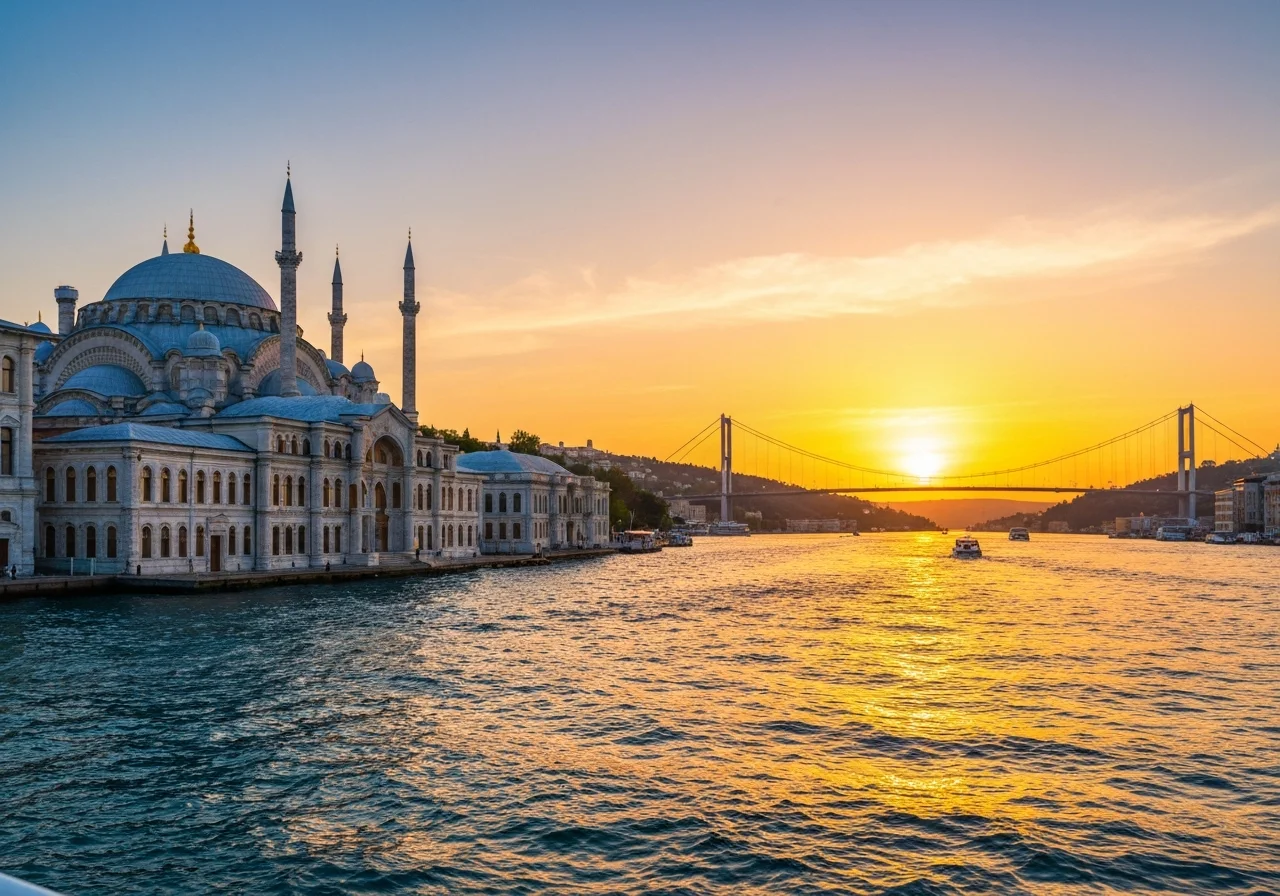
A Bosphorus cruise is the most symbolic experience one can have in Istanbul. Sailing along this legendary strait separating Europe from Asia, you'll discover the city from a radically different angle: Ottoman palaces with pastel facades mirrored in the water, yalis (wooden houses on stilts), medieval fortresses, and the imposing Bosphorus Bridge. Several companies offer cruises ranging from 1.5 hours for a quick tour to a full day with stops in fishing villages. The sunset over the Bosphorus, with Istanbul's silhouette in the background, is an unforgettable photographic spectacle that will remain etched in your memory.
7/12The Spice Bazaar: A Festival of Scents and Colors in the Heart of Eminönü
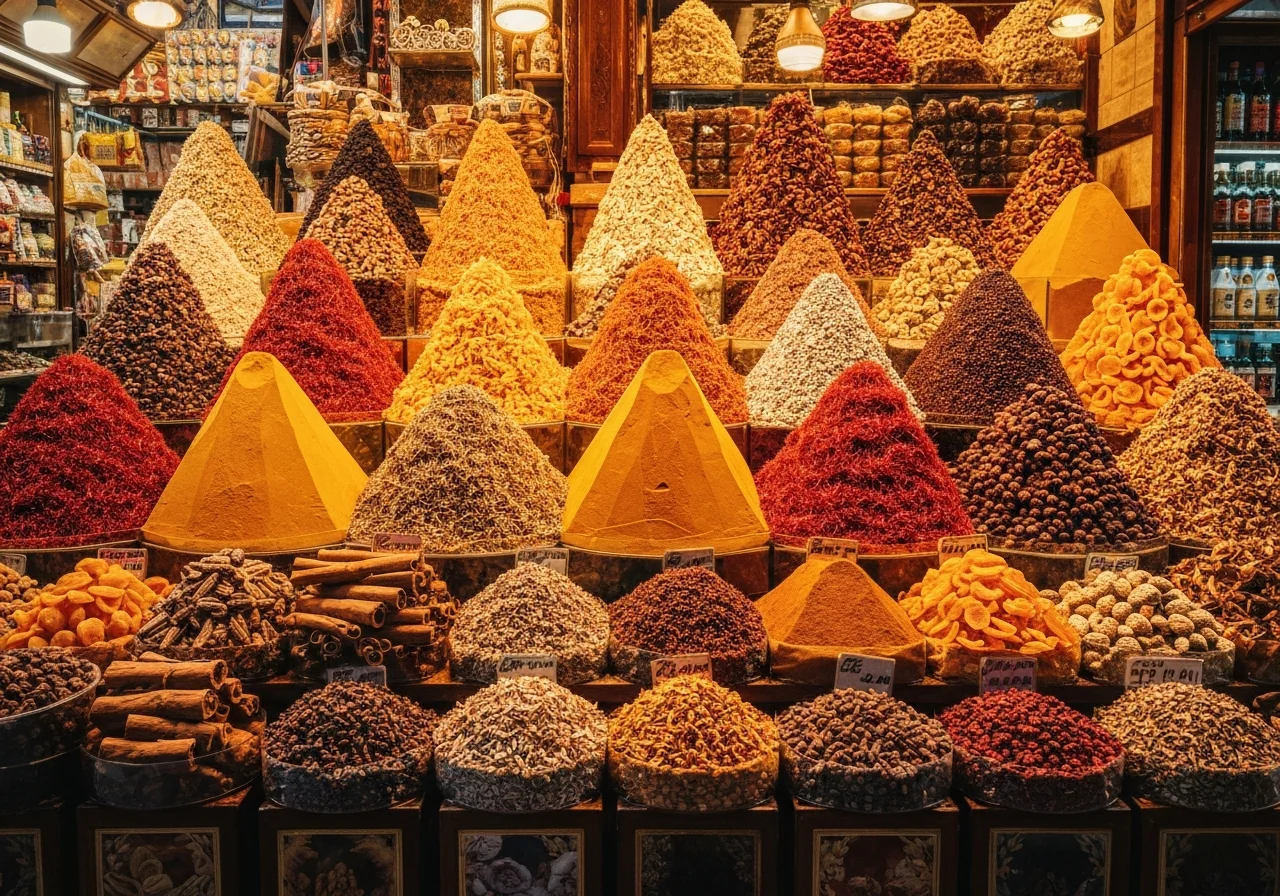
Also called the Egyptian Bazaar (Mısır Çarşısı), the Spice Market is one of Istanbul's oldest covered bazaars, founded in 1660. Its stalls overflow with colorful pyramids of spices, Turkish delight dusted with powdered sugar, fragrant teas, local cheeses, and dried fruits. The air is laden with scents of saffron, cinnamon, chili, and dried rose. This is where Istanbulites have come to stock up for centuries. Located near the Yeni Mosque and the Eminönü quay, it fits perfectly into a day program combining the Grand Bazaar in the morning and a stroll along the Golden Horn in the afternoon.
8/12Karaköy and Galata: The Trendy, Bohemian Neighborhood on the North Shore
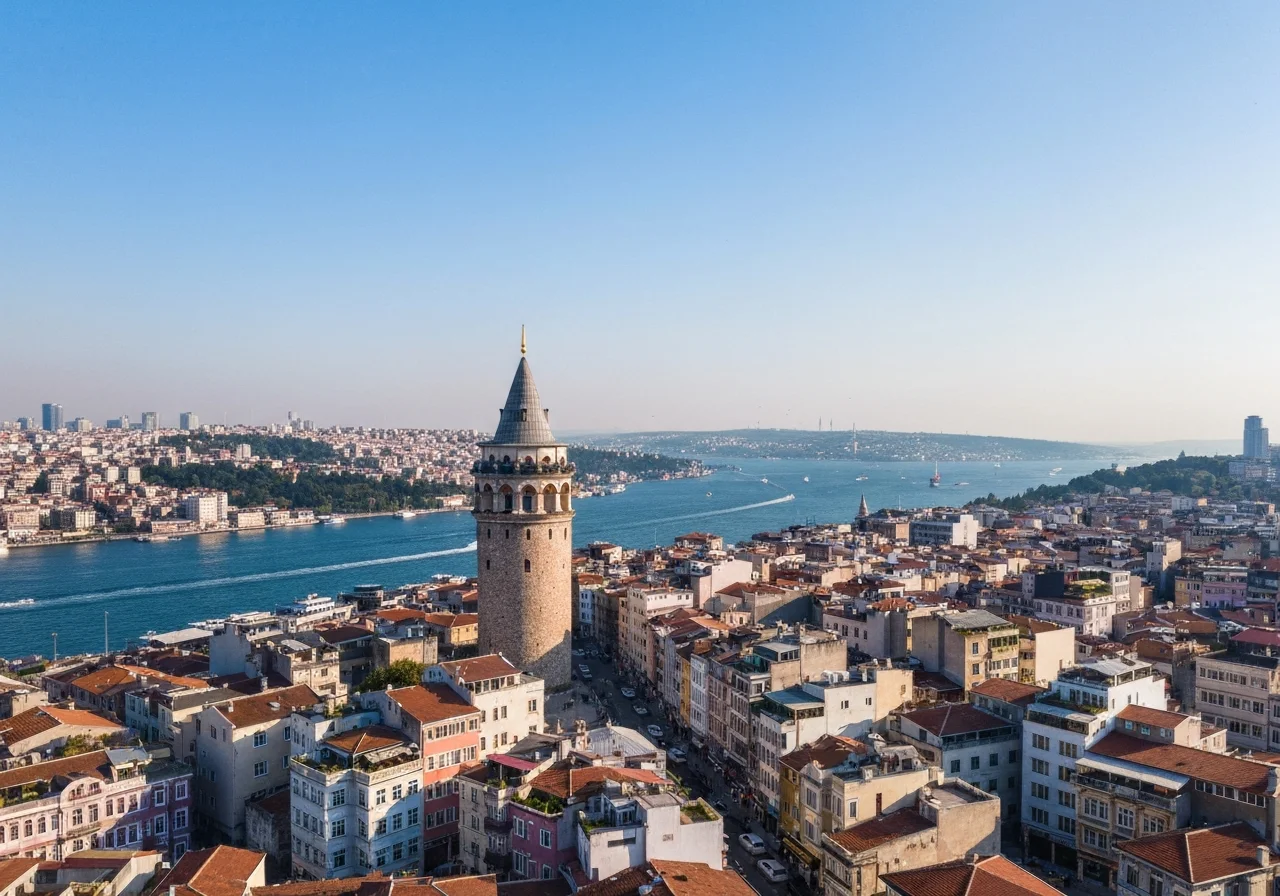
On the north bank of the Golden Horn, Karaköy and Galata form Istanbul's trendiest neighborhood, where contemporary art galleries sit alongside craftsmen's workshops, hipster cafes, and innovative street food restaurants. The Galata Bridge connecting this neighborhood to Eminönü is itself an Istanbul symbol: dozens of fishermen cast their lines at all hours of the day. The Galata Tower, visible from almost anywhere in the city, is worth climbing for a 360° view of Istanbul. In the evening, Karaköy's streets come alive with a particularly festive music and gastronomic scene.
9/12The Balat Neighborhood: In the Heart of Colorful, Multicultural Old Istanbul
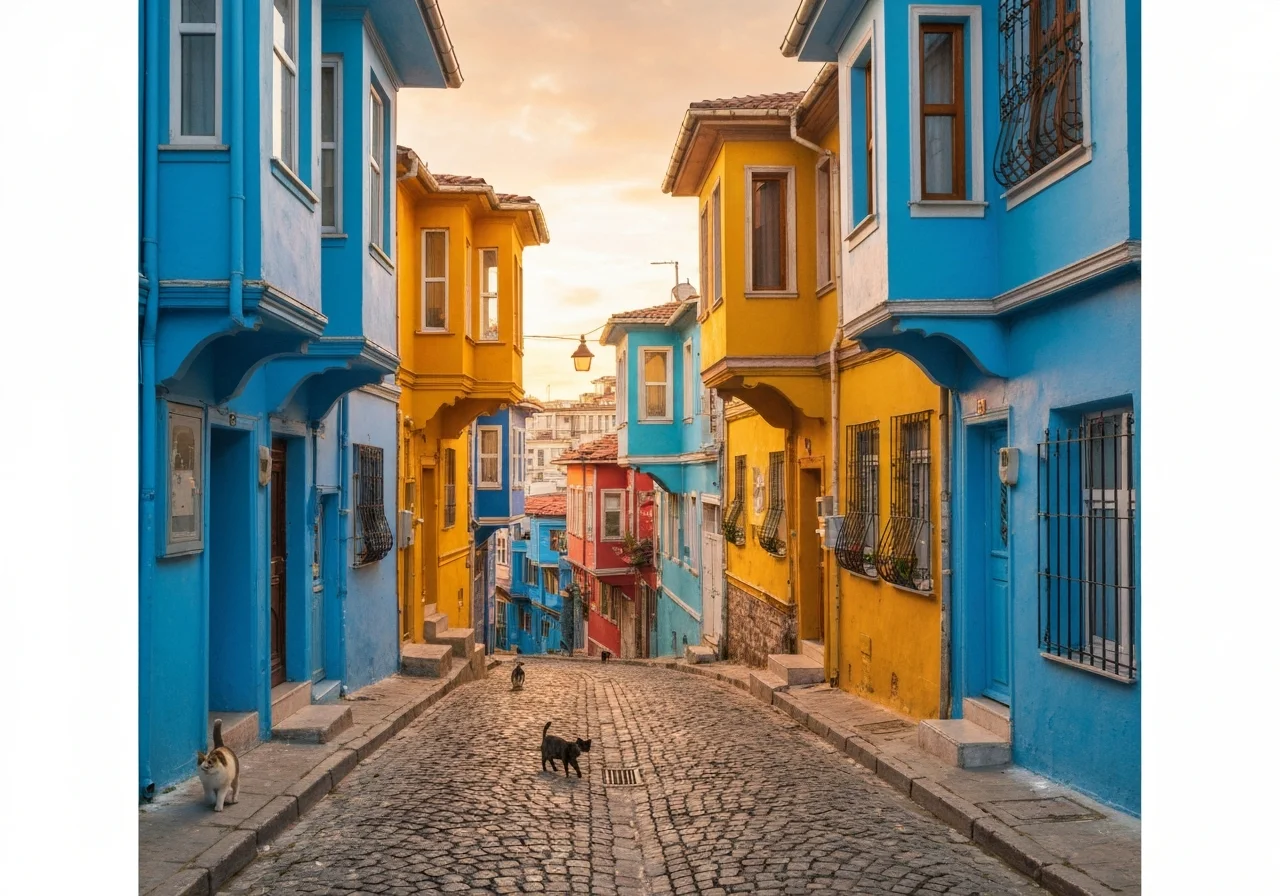
Nestled on the hills of the Golden Horn, Balat is one of Istanbul's most authentic and photographed neighborhoods. Formerly a Jewish quarter, then Greek and Armenian, its cobblestone streets lined with brightly painted wooden houses — blue, yellow, pink, green — tell a story of unique coexistence. Antique shops, cats lounging on windowsills, and old-fashioned cafes create a timeless atmosphere. It's the favorite neighborhood of photographers and fans of popular Ottoman architecture. Stroll without a fixed itinerary and discover hidden squares, Ottoman fountains, and historic synagogues.
10/12The Traditional Hammam: Relaxing Like a Sultan in Ottoman Baths
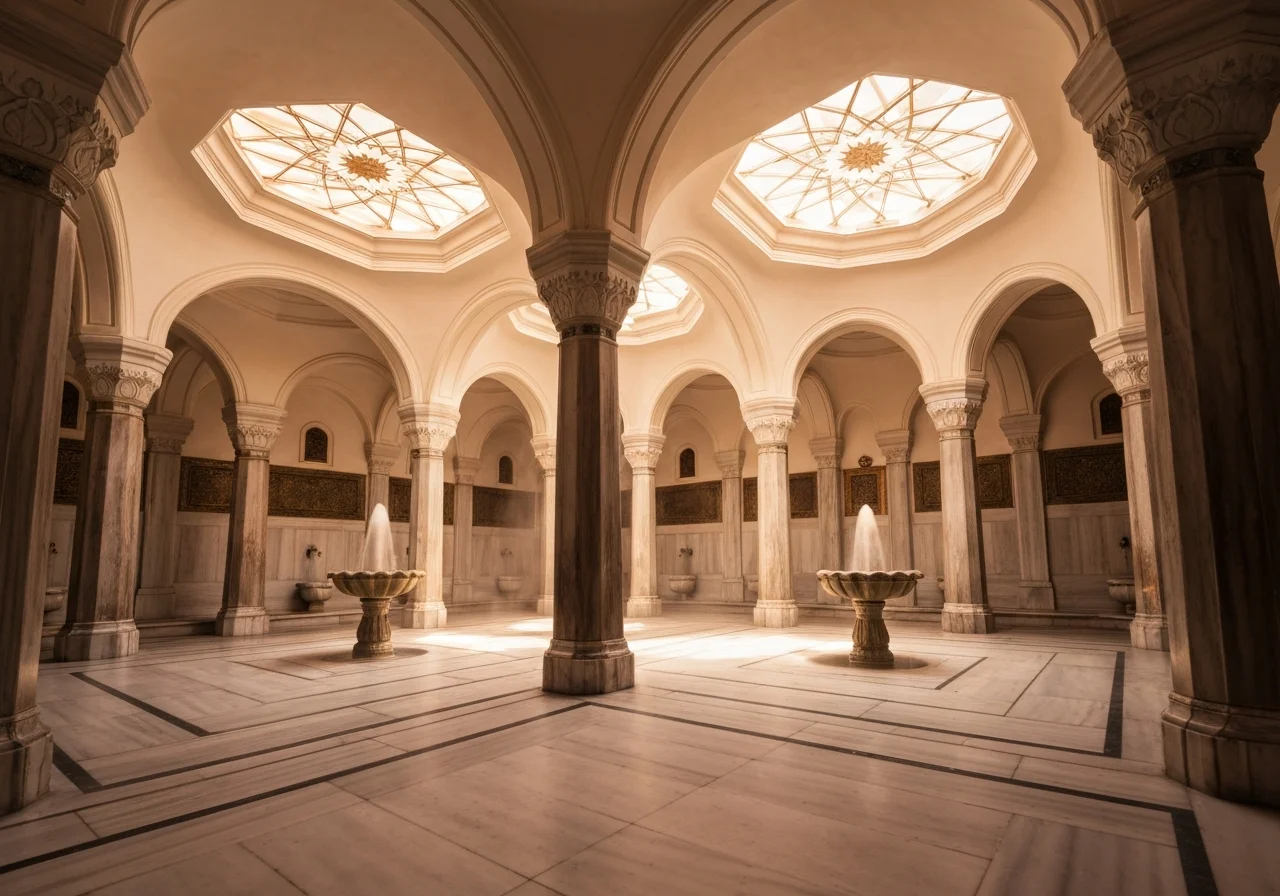
Taking a bath in a historic hammam is a must-do experience in Istanbul, inherited from the Ottoman tradition of body care. Establishments like Çemberlitaş Hamamı (built in 1584 by architect Sinan) or Süleymaniye Hamamı welcome visitors into monumental buildings with star-lit domes. The ritual includes a session in the hot room (hararet) on the göbektaşı (the large heated marble slab), a vigorous scrub with a kese mitt, and a foam soap massage. An hour and a half of pure abandon that will leave your skin as smooth as satin and your mind completely at peace — the best way to recover after an intense day of sightseeing.
11/12The Princes' Islands: Escaping to the Car-Free Archipelago 30 Minutes from Istanbul
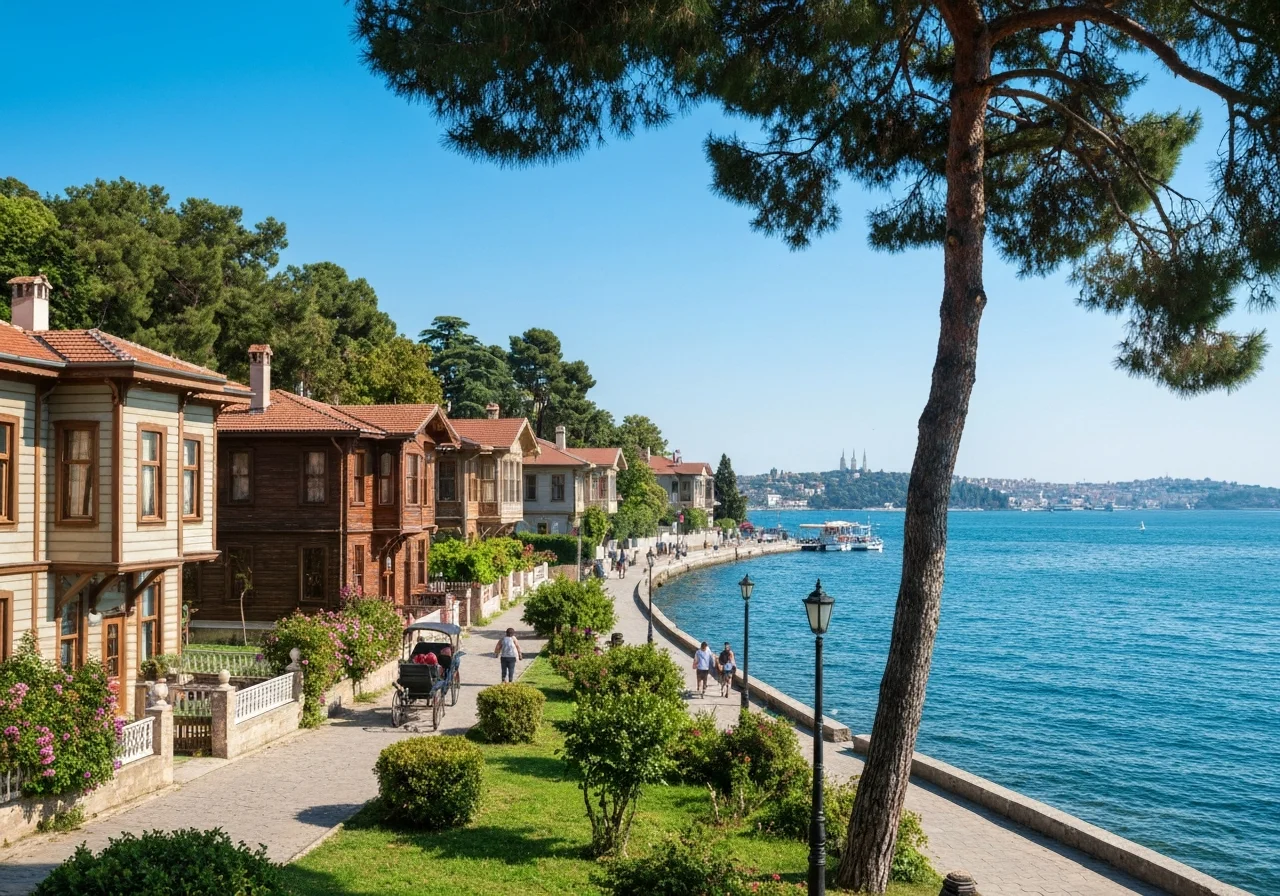
Just 30 minutes by ferry from the Kabataş dock, the Princes' Islands (Adalar) form a lush archipelago of 9 islands in the Sea of Marmara, known for their absolute calm and Victorian wooden villas. The main island, Büyükada, is the most visited: with no cars or motorcycles, you get around by horse-drawn carriage, bicycle, or on foot. Its fragrant pine forests, secluded beaches, and seafood restaurants on terraces offer a striking contrast to Istanbul's hustle. Particularly pleasant in spring and summer, a trip to the islands is the ideal sweet parenthesis in a packed Istanbul stay.
12/12Istanbul Street Food and Gastronomy: Simit, Balık Ekmek, and Meze for Food Lovers
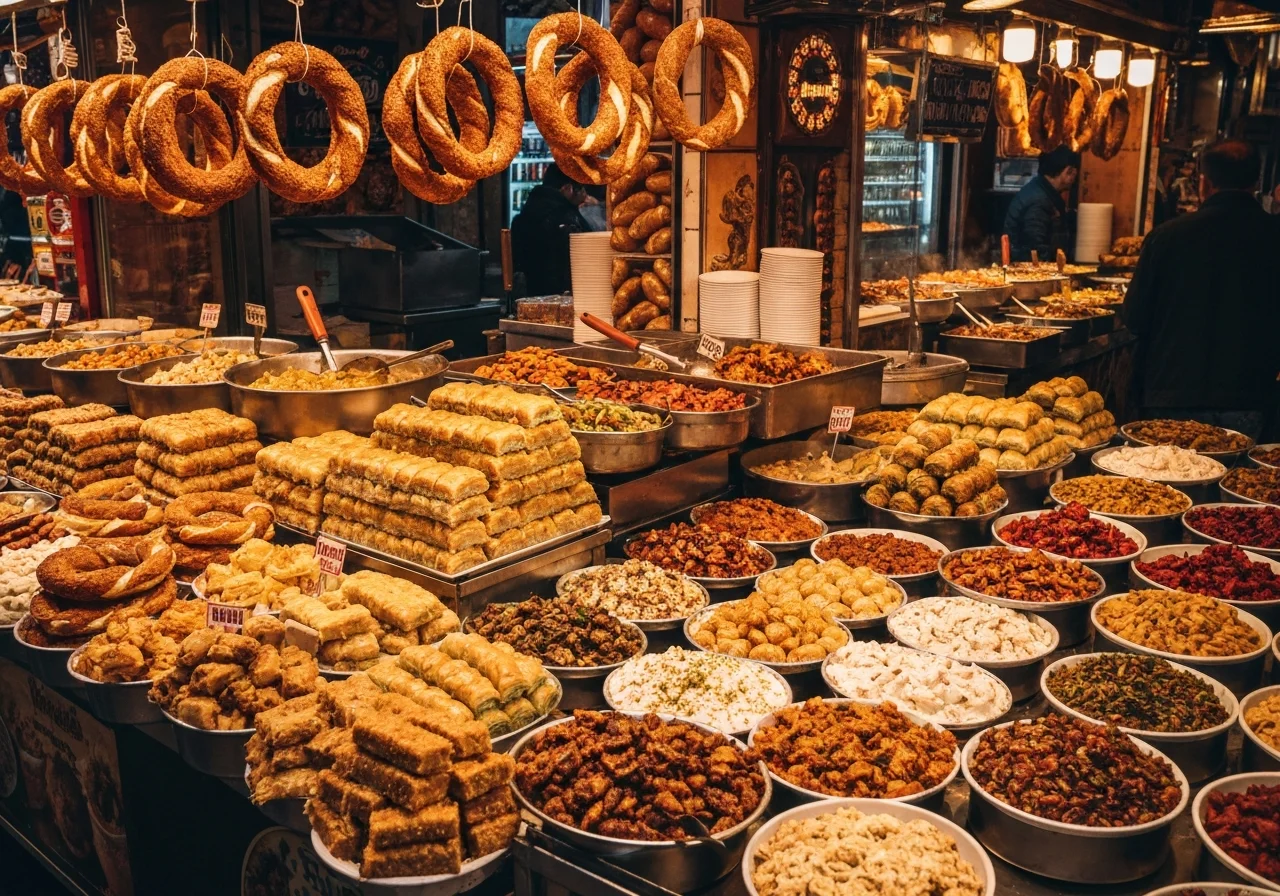
Istanbul is one of the world's capitals of street food and popular gastronomy. Start your day with a simit (sesame bread ring) bought from a rolling cart, then stop at Galata Bridge to taste a balık ekmek, the legendary grilled mackerel sandwich served in crusty bread. End with a meze platter at one of Beyoğlu's meyhane (Turkish taverns), accompanied by a glass of anise-flavored rakı. Sweet lovers won't miss künefe, the warm dessert with white cheese drizzled in syrup and pistachios, or artisanal dondurma ice cream, prepared before your eyes with all the theatrical flair of Turkish ice cream vendors.